
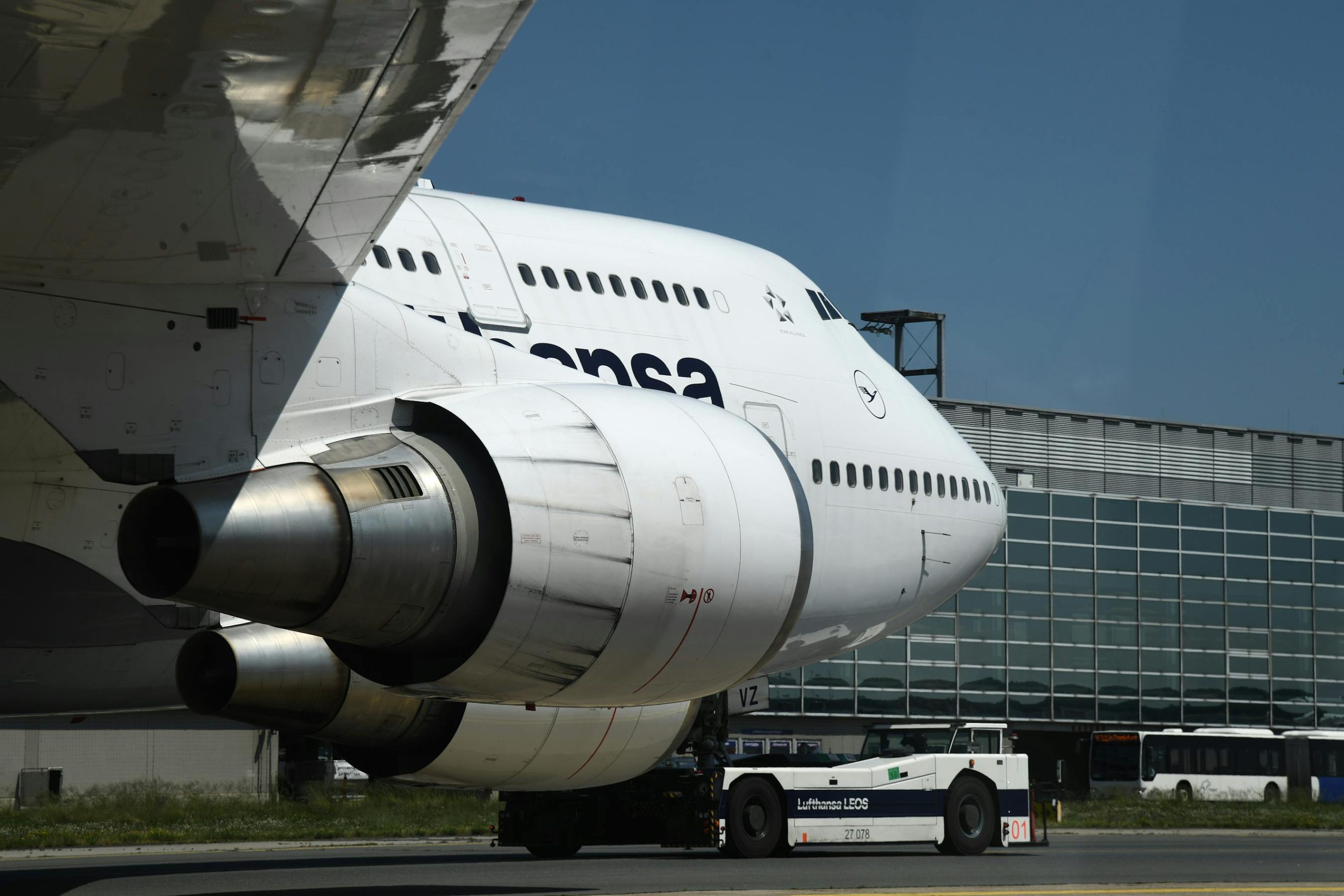
The air cargo industry is currently facing a myriad of challenges as geopolitical tensions escalate globally. With conflicts in various regions, particularly in the Middle East, the dynamics of air freight are shifting, leading to increased prices and re-evaluated logistics strategies. Companies such as UPS and Delta have reported significant volume increases amidst these disruptions, indicating that demand for air freight remains robust despite the challenges. According to recent data from Flexport and the TAC Index, air cargo prices surged in April, reflecting the ongoing volatility in global trade routes. The industry is at a crossroads, where adaptability and innovation are crucial for survival and success.
Current State of the Air Cargo Market
As of April 2026, air cargo prices have seen a notable surge, primarily driven by geopolitical tensions that have disrupted traditional supply chains. The TAC Index reports a staggering increase in prices, with some routes experiencing a rise of over 20%. This price surge is attributed to increased demand for air freight services, as companies scramble to ensure timely deliveries amidst uncertainties. Major players in the industry, including UPS and Delta, have reported increased volumes, suggesting that while challenges persist, the appetite for air cargo is strong. UPS flight operations have expanded significantly, facilitating the movement of goods across critical trade lanes. Additionally, Flexport indicates that the demand for air freight continues to rise, even as shippers face disruptions in their logistics operations. The current landscape highlights the resilience of the air cargo market, as businesses adapt to the shifting geopolitical environment and seek to maintain supply chain integrity.
Geopolitical Tensions Impacting Supply Chains
| Carrier | Q1 Volume Change (%) | April Price Surge (%) | Current Challenges |
|---|---|---|---|
| UPS | 15 | 22 | Middle East tensions affecting routes |
| Delta | 12 | 20 | Increased operational costs |
| Maersk | 10 | 19 | Supply chain re-evaluation |
Geopolitical tensions, particularly those emanating from conflicts in the Middle East, have created a climate of uncertainty for air freight routes. Shippers are increasingly re-evaluating their logistics strategies in response to these challenges. The risk of disruption has led many companies to consider emerging routes that bypass affected areas, ensuring a more stable supply chain. The analysis of current events reveals a trend toward diversification of logistics networks, as businesses seek to mitigate risks associated with geopolitical instability. Moreover, air cargo companies are investing in alternative routing options, which are not only cost-effective but also enhance operational resilience. The ongoing situation emphasizes the need for shippers to remain agile and responsive to the changing dynamics of global trade.
Technological Innovations in Air Cargo Tracking
In the face of these challenges, technological innovations are playing a crucial role in enhancing visibility within the air cargo sector. Companies such as UPS and Emirates have introduced new tracking features that provide customers with real-time updates on their shipments. These advancements in tracking technologies are transforming how logistics operations are managed, allowing for greater transparency and efficiency. Data analytics is also becoming increasingly important, as it helps optimize air cargo operations by predicting demand and identifying potential bottlenecks. According to a report from Smartkarma, the integration of advanced tracking systems is streamlining processes and improving customer experiences. For those interested in a deeper dive into air cargo tracking technologies, a related article provides additional insights into the latest advancements. As the industry continues to evolve, leveraging technology will be essential for companies looking to maintain a competitive edge in a rapidly changing environment.
Future Outlook for Air Freight
The future of the air freight industry appears to be shaped by both ongoing geopolitical developments and emerging sustainability initiatives. Experts predict that air cargo demand will continue to rise in the second half of 2026, although the potential for rate stabilization exists as geopolitical tensions evolve. The need for sustainable practices is also becoming increasingly prominent, as companies recognize the importance of reducing their carbon footprints. Sustainability initiatives are not only a response to regulatory pressures but also a growing demand from consumers who prioritize environmentally friendly practices. As the industry looks ahead, the integration of sustainable practices alongside the adaptation to geopolitical challenges will be pivotal in shaping the future of air cargo. The combination of increased demand, evolving pricing strategies, and a commitment to sustainability will define the trajectory of the air freight sector in the coming years.
FAQ
What factors are driving air cargo price increases? Geopolitical tensions, increased demand, and supply chain disruptions are the primary factors.
How are air cargo companies adapting to geopolitical tensions? Companies are re-evaluating logistics strategies and considering alternative routes.
What technological advancements are being made in air cargo tracking? Innovations include real-time tracking systems and data analytics for operational optimization.
What is the future outlook for the air cargo industry? Demand is expected to rise, with a focus on sustainability and potential stabilization of rates.
Sources
- Flexport — Air cargo prices surged in April due to geopolitical tensions.
- TAC Index — Data indicates significant price trends in air cargo.
- Air Cargo News — Demand for air freight continues to rise despite disruptions.
- Maersk — Maersk reports volume growth across all businesses in Q1.
- Smartkarma — Technological innovations are enhancing air cargo tracking.