
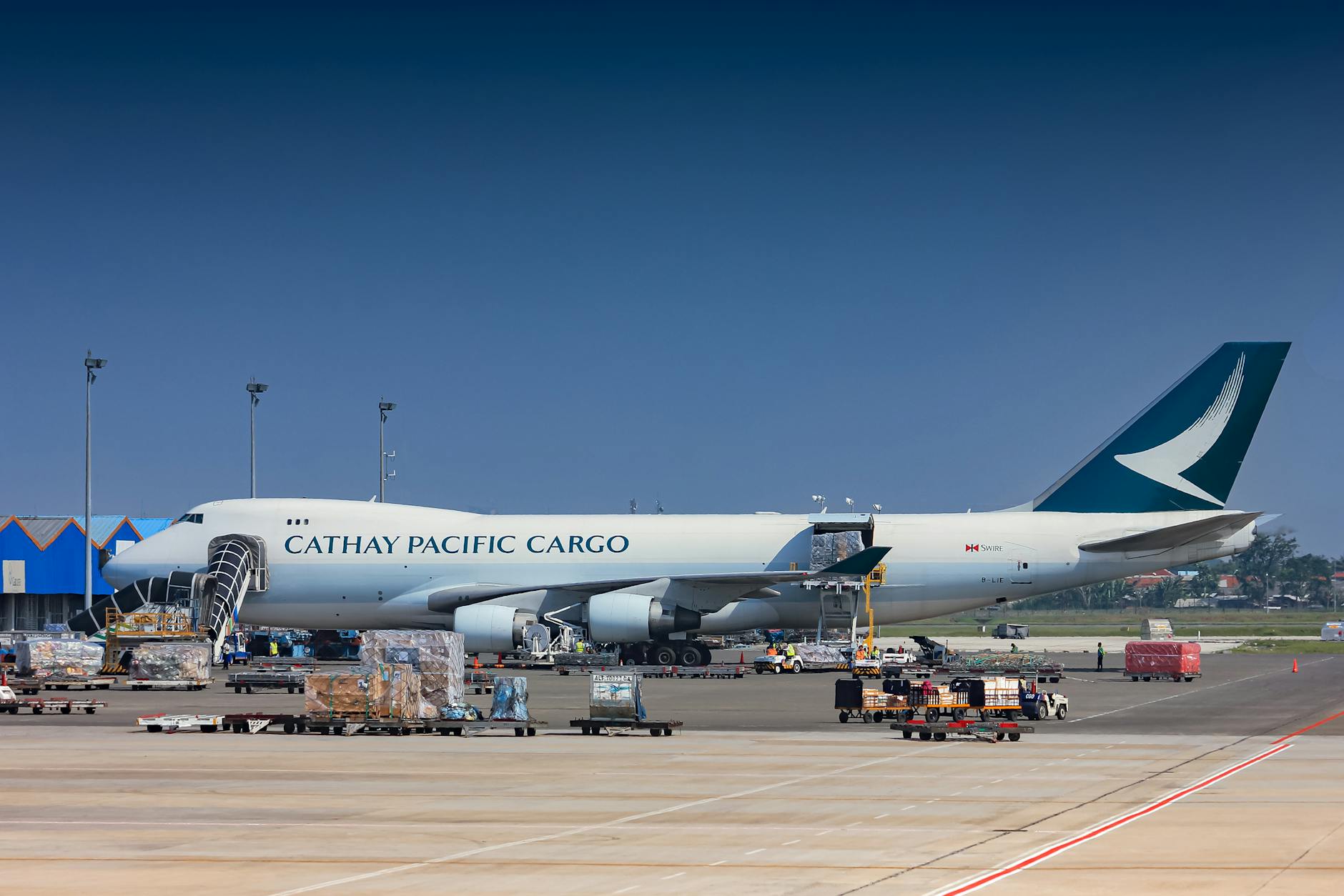
Choosing between air freight and sea freight is one of the most impactful logistics decisions a business can make. While ocean shipping handles over 80% of global trade by volume, air cargo is essential for time-sensitive, high-value, or perishable goods. Understanding when air freight makes economic sense can save your business money while ensuring reliable delivery.
Speed: The Obvious Advantage
Air freight delivers in days; sea freight takes weeks. A shipment from Shanghai to London takes 2–4 days by air versus 30–40 days by sea. From São Paulo to Amsterdam: 2–3 days by air versus 22–28 days by sea. This speed difference has cascading effects on inventory management, working capital, and customer satisfaction. For just-in-time manufacturing or e-commerce fulfillment, the time savings alone often justify the higher per-kg cost.
Cost Comparison: It’s Not Always What You Think
Air freight typically costs 4–6× more per kilogram than sea freight. A 1,000 kg shipment from China to Europe costs significantly more by air than by sea. However, total supply chain cost tells a different story. Air freight reduces inventory carrying costs (capital tied up in goods in transit), warehouse space requirements (less safety stock needed), risk of obsolescence (critical for fashion and electronics), and insurance costs (shorter transit = lower risk exposure). For higher-value goods, the math often favors air freight when all costs are considered.
When Air Freight Is the Clear Choice
Several scenarios make air cargo the obvious winner. High-value goods (electronics, pharmaceuticals, jewelry) where inventory cost outweighs freight cost premium. Perishable items (fresh food, flowers, biological samples) that cannot survive 3–5 weeks at sea. Urgent production parts needed to keep a factory running — downtime costs dwarf freight premium. Product launches with fixed deadlines. Fashion and seasonal goods with short selling windows. Small shipments under 150 kg where sea freight minimum charges erode the cost advantage.
When Sea Freight Makes More Sense
Ocean shipping wins for bulk commodities, raw materials, and low-value goods with long shelf life. Shipments over 2,000 kg of non-urgent, non-perishable goods almost always favor sea freight on a per-kg basis. Furniture, building materials, non-seasonal clothing basics, and industrial equipment typically ship by ocean. If your supply chain can tolerate 4–6 week lead times and you can accurately forecast demand, sea freight is significantly cheaper.
The Hybrid Approach
Many businesses use a split strategy: sea freight for base-level inventory replenishment and air freight for urgent restocking, product launches, and peak-season top-ups. This approach optimizes cost while maintaining service levels. For example, a retailer might ship 80% of seasonal inventory by sea 8 weeks before the season, then air-freight the remaining 20% based on early sales data to match actual demand patterns.
Frequently Asked Questions
At what weight does sea freight become cheaper than air freight?
Is air freight more reliable than sea freight?
Can I combine air and sea freight for the same product?
Not sure which mode suits your shipment? Get a quote for air freight and compare the total cost against ocean alternatives. We help you find the most cost-effective solution.