
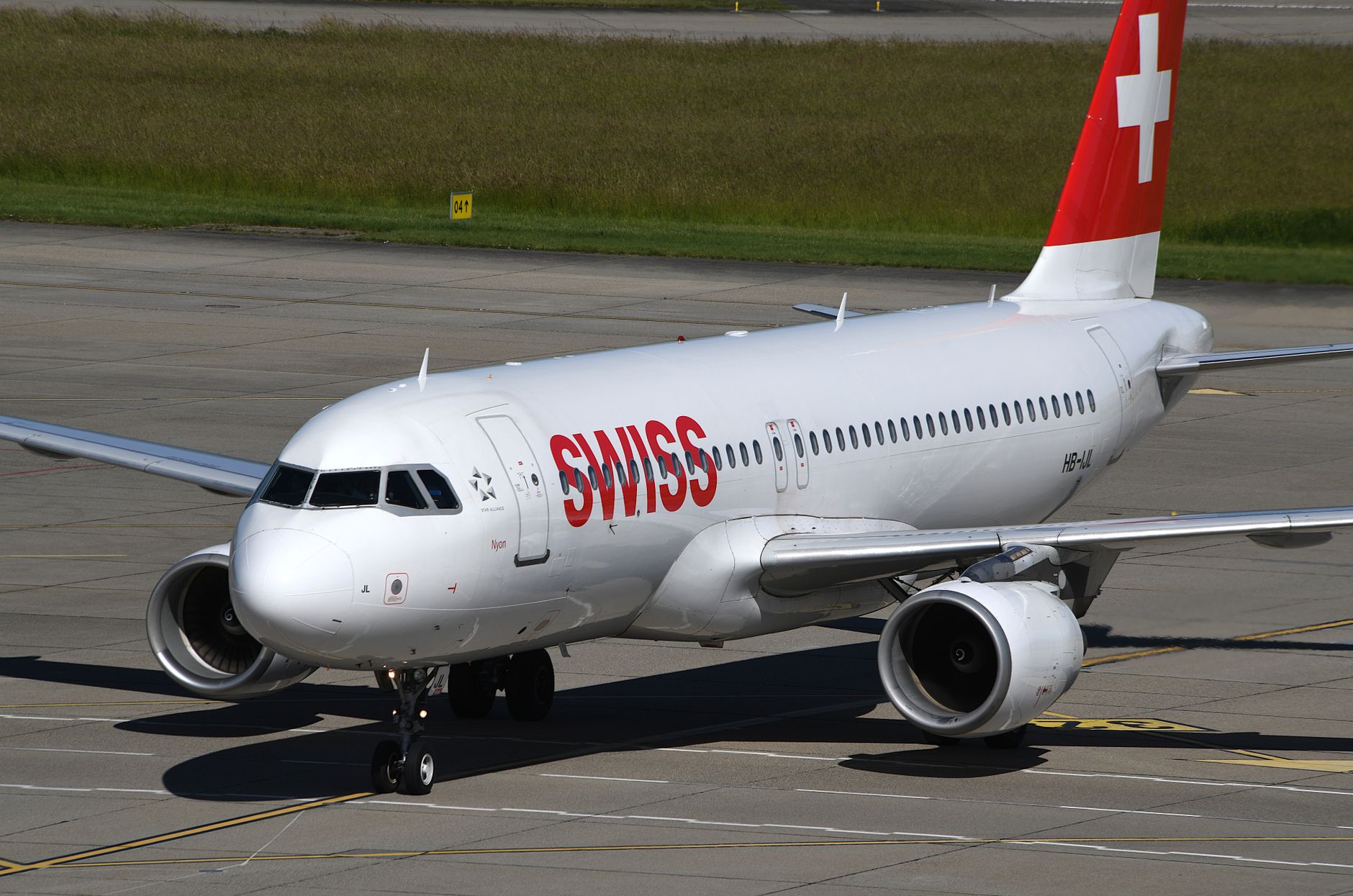
In a bold move to adapt to the rapidly changing landscape of the air freight industry, lufthansa-lh-air-freight-cargo/">Lufthansa Cargo announced the expansion of its international routes by introducing new connections to Asia and North America. The airline’s cargo division plans to enhance its service offerings by increasing capacity in regions that are experiencing significant demand growth. With new routes set to launch from Frankfurt (FRA) to Tokyo (NRT) and Los Angeles (LAX), Lufthansa Cargo is projecting a remarkable 20% increase in cargo capacity by the fourth quarter of 2026. This expansion is part of a larger strategy to bolster its position in the global air cargo market amidst rising freight rates and heightened competition. According to Air Cargo News, this expansion reflects the airline’s commitment to meeting customer needs and responding to market demands. Collaboration with local freight carriers is also a key component of this strategy, ensuring that Lufthansa Cargo can offer comprehensive services that align with the operational requirements of its partners.
Lufthansa Cargo’s Strategic Route Expansion
The newly introduced routes will not only enhance Lufthansa Cargo’s global network but also provide shippers with more efficient options for transporting goods. In particular, the Frankfurt to Tokyo route is expected to cater to the burgeoning demand for electronic components, while the Los Angeles route will serve the growing needs of the entertainment and technology sectors. These strategic location choices underscore Lufthansa Cargo’s agility in responding to market dynamics. By forging strong partnerships with local freight carriers in these regions, Lufthansa aims to streamline logistics processes and ensure timely deliveries. This is crucial as the air cargo sector continues to face challenges related to capacity constraints and rising operational costs.
Impact of Rising Air Freight Rates
The recent surge in air freight rates has prompted significant changes in the air cargo landscape. A report from Xeneta indicates a projected 15% increase in air freight rates, driven by various factors including ongoing geopolitical tensions and heightened demand for goods. Currently, the average rate per kilogram for air freight stands at $5.20, reflecting the complexities of the global supply chain. Historical trends show that air freight rates typically fluctuate based on seasonal demands and economic conditions. However, the current environment has seen rates soar to new heights, raising concerns among shippers about cost management. The impact of these rising rates is felt globally, as businesses grapple with increased transportation costs that can affect product pricing and supply chain efficiency. FreightWaves highlights that geopolitical tensions have been particularly influential, creating uncertainty in the market and pushing rates upward. This pressure on pricing is likely to remain a key issue for the air cargo sector in the foreseeable future.
| Airline | New Route | Projected Capacity Increase | Current Rate per KG |
|---|---|---|---|
| Lufthansa Cargo | FRA to NRT | 20% | $5.20 |
| Lufthansa Cargo | FRA to LAX | 20% | $5.20 |
| emirates-skycargo/">Emirates SkyCargo | DXB to ORD | 15% | $5.00 |
| Singapore Airlines Cargo | SIN to HKG | 18% | $5.10 |
Partnerships with Freight Forwarders and Ground Services
To further enhance its operational capabilities, Lufthansa Cargo has announced new agreements with major freight forwarders and improvements in ground handling services at key airports. These partnerships are vital for ensuring timely and reliable service, which is increasingly important in the competitive air cargo market. Notably, the collaboration with AFS Logistics aims to improve ground services, thus expediting the movement of cargo from air to ground transport. This is essential as shippers look for seamless logistics solutions. Additionally, Lufthansa Cargo is expanding partnerships with United Cargo and Conway Freight, allowing for broader service offerings and improved delivery times. The focus on enhancing ground shipping operations aligns with the company’s broader strategy to optimize supply chain efficiency. As noted by Air Cargo News, the integration of enhanced ground services with air transport is a necessary evolution in the industry. Shippers can also explore cargo insurance options to mitigate risks associated with rising freight rates and fluctuating market conditions. For further insights into the logistics landscape, check out this related article.
Looking Ahead: Future Trends in Air Cargo
The future of air cargo is poised for transformation, driven by the integration of emerging technologies and sustainability initiatives. Investment in artificial intelligence (AI) and automation for cargo tracking has become a focal point for many airlines, including Lufthansa Cargo. These advancements are expected to improve operational efficiency and enhance customer transparency, allowing shippers to have real-time visibility of their cargo. Predictions indicate a continued increase in cargo demand over the next five years, as global trade and e-commerce continue to expand. Furthermore, airlines are under increasing pressure to adopt sustainability initiatives, with Lufthansa Cargo targeting a 30% reduction in carbon emissions by 2030. This commitment to sustainability will not only address regulatory pressures but also align with growing consumer expectations for environmentally responsible logistics practices. As reported by FreightWaves, the air cargo industry must adapt to these trends to remain competitive and meet the evolving needs of the market. The outlook for the air cargo sector is promising, with opportunities for growth and innovation on the horizon.