
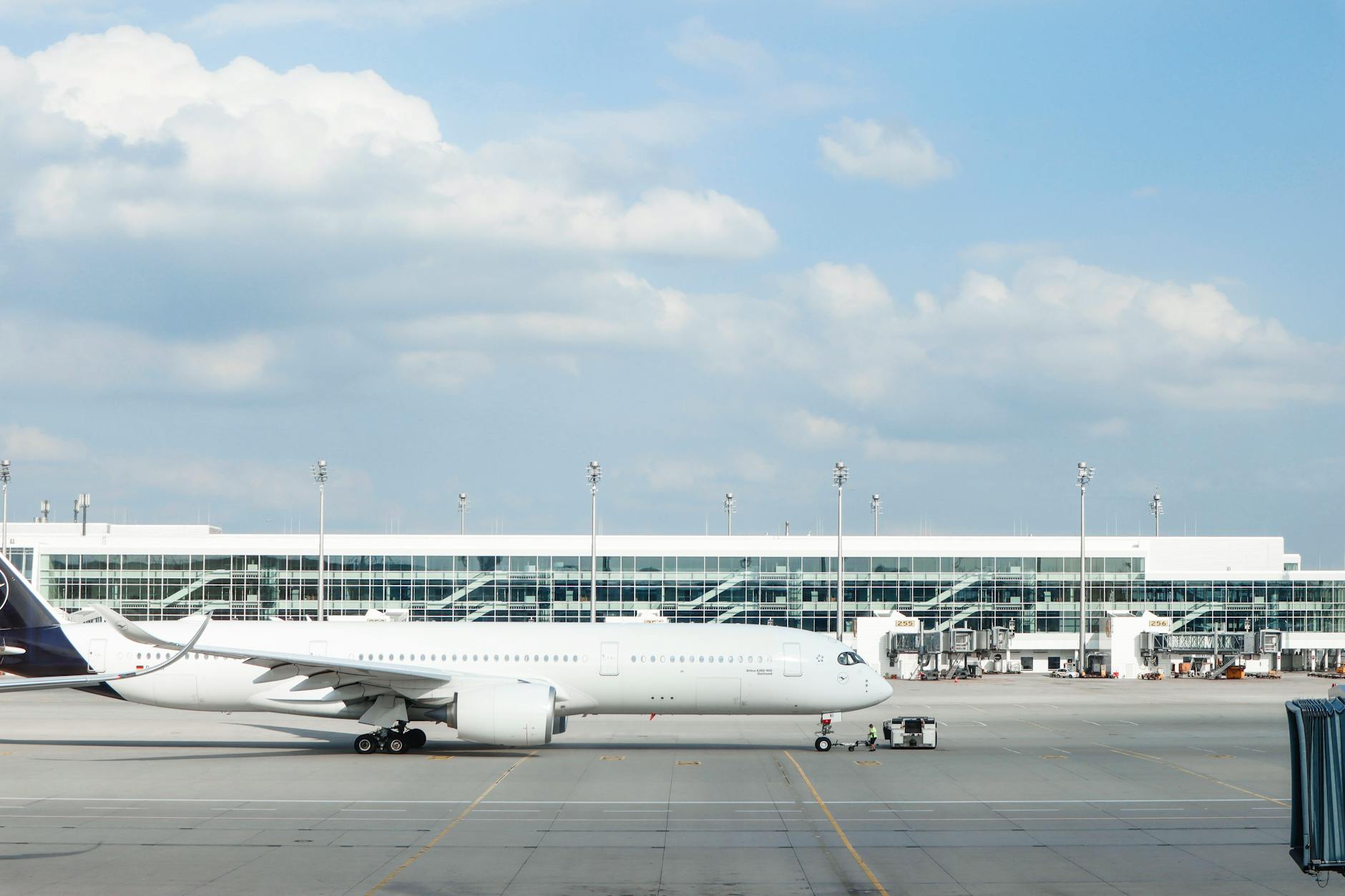
As of May 2026, jet fuel prices have seen a notable decline of 15% since March, with benchmark prices averaging $2.80 per gallon in the U.S. This drop has significant implications for air cargo operators, prompting them to reassess their operational strategies and fuel surcharge policies. The decrease in jet fuel costs is expected to reshape the logistics landscape, as companies like UPS and Delta take proactive steps to adjust their pricing structures. As airlines continue to navigate these changes, the air cargo industry is poised for a pivotal transformation that could enhance profitability and operational efficiency.
Current Jet Fuel Trends
According to Air Cargo News, the current market for jet fuel has shifted dramatically, with prices now averaging $2.80 per gallon across major U.S. airports. Specifically, airports such as Dallas/Fort Worth International Airport (DFW), Los Angeles International Airport (LAX), and John F. Kennedy International Airport (JFK) have reported varied fuel prices, reflecting the ongoing fluctuations in the fuel market. The Platts Jet Fuel Index data for May 2026 indicates that this drop is a result of multiple factors, including increased oil production and reduced demand in certain sectors.
This 15% reduction in jet fuel costs is particularly significant for airlines that operate on tight margins, such as lufthansa-lh-air-freight-cargo/">Lufthansa Cargo, emirates-skycargo/">Emirates SkyCargo, and Delta Air Lines. With operational costs being a major concern, airlines are strategically realigning their operations to capitalize on lower fuel prices. As fuel costs are a critical component of overall operational expenses, many carriers are now exploring more efficient methods of transport, including optimizing flight routes and reducing empty cargo space. The trend also indicates a potential for lower air freight rates, allowing for more competitive pricing in the market.
Fuel Surcharge Adjustments by Major Carriers
With the decline in jet fuel prices, major carriers are taking decisive actions regarding their fuel surcharges. UPS and Delta have announced reductions in their fuel surcharges, reflecting the current market conditions. The Loadstar reports that UPS has decreased its cargo fuel surcharge from 15% to 12%, a move that is likely to enhance its competitive edge in the air cargo sector. Delta has also indicated a strategy to adjust its fuel surcharge in response to fluctuating fuel costs, emphasizing the importance of remaining competitive in a dynamic market.
| Airline | Current Surcharge (%) | Previous Surcharge (%) | Change (%) |
|---|---|---|---|
| UPS | 12 | 15 | -20 |
| Delta | 13 | 15 | -13.33 |
| Emirates SkyCargo | 14 | 14 | 0 |
| Lufthansa Cargo | 12.5 | 15 | -16.67 |
Emirates SkyCargo has chosen to maintain its surcharge at 14% for the time being but is actively reviewing this figure to assess potential adjustments. The variability in fuel surcharges among carriers demonstrates how airlines are responding to the market’s demands while also considering their operational costs. As the air cargo industry continues to evolve, maintaining a balance between competitive pricing and operational efficiency will be critical for success.
The Role of Sustainable Aviation Fuel (SAF)
The adoption of Sustainable Aviation Fuel (SAF) is becoming increasingly vital as jet fuel prices fluctuate. Transport Intelligence highlights that airlines are investing in SAF to not only reduce long-term fuel costs but also to address environmental concerns related to aviation emissions. As the industry shifts towards more sustainable practices, SAF is emerging as a strategic solution for airlines looking to mitigate the impact of volatile fuel prices.
Current SAF usage statistics indicate that major carriers such as United Airlines, Delta, and Lufthansa are ramping up their commitments to SAF production and usage. The U.S. government is incentivizing SAF production through grants and subsidies, aiming to increase its availability in the coming years. Projected increases in SAF production by 2027 suggest that airlines will have greater access to this alternative fuel, potentially leading to a significant reduction in operational costs while also fulfilling corporate sustainability goals. For further insights on this topic, check out our related article.
Implications for Air Cargo Operations
As jet fuel costs decline, the implications for air cargo operations are profound. Lower fuel costs may lead to decreased air freight rates, which could stimulate demand for air cargo services. However, airlines must strike a balance between cost reductions and maintaining operational efficiency. The STAT Trade Times notes that shifts in cargo patterns are already being observed as companies adapt to the new pricing landscape. For instance, routes from Asia to Europe may see increased cargo volumes as shippers take advantage of lower rates.
Furthermore, the impact on freight forwarders and logistics providers cannot be overlooked. As air freight rates decline, these entities may experience increased demand for their services, necessitating adjustments in their operational strategies. The overall landscape of air cargo is poised for a transition that could lead to greater accessibility and efficiency, benefiting both carriers and shippers alike. Looking ahead, the air cargo sector must remain agile in its response to these evolving dynamics, ensuring that it can adapt to the changing market conditions and capitalize on new opportunities.