
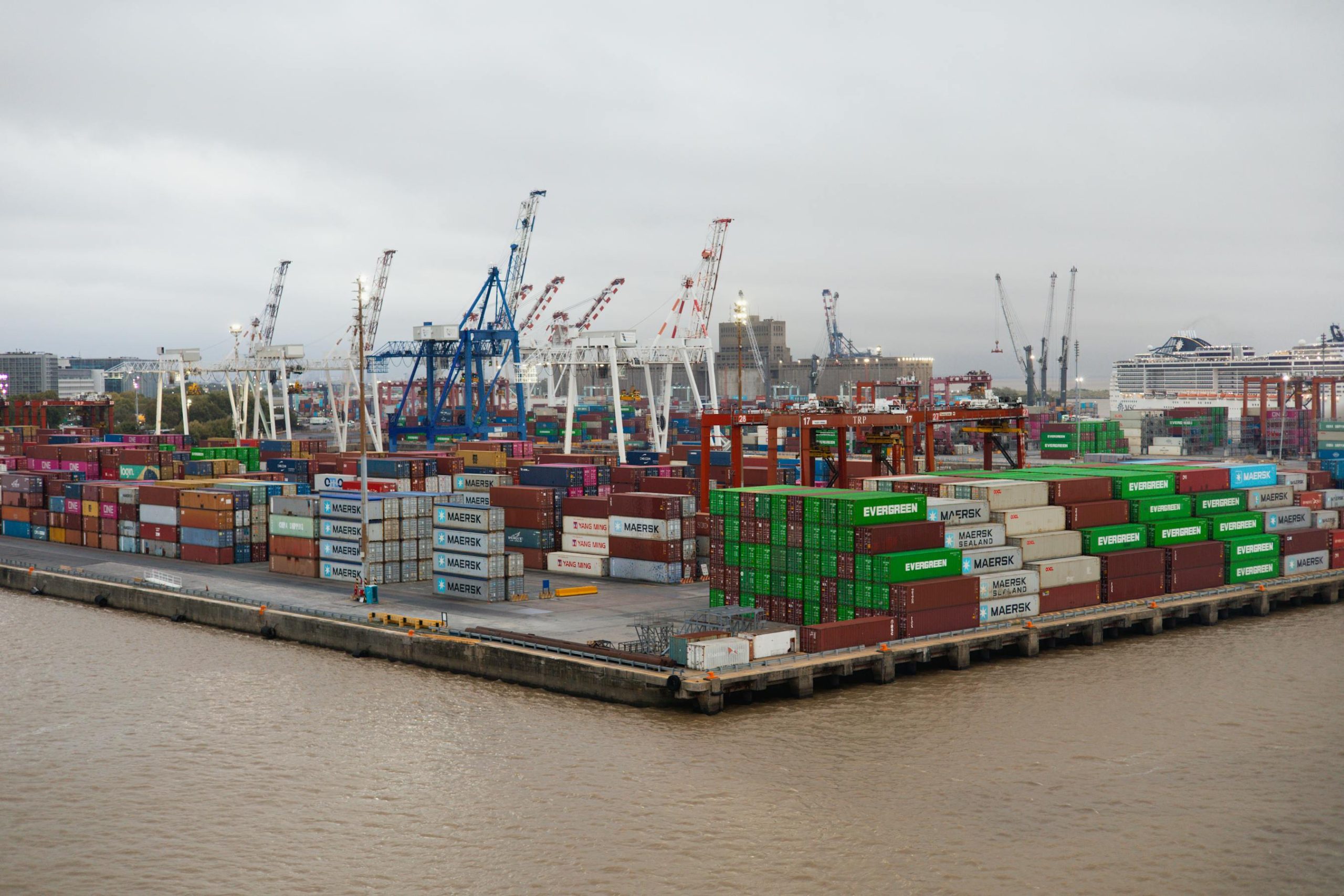
The air cargo industry is currently experiencing a turbulent phase, characterized by soaring freight rates attributed to escalating geopolitical tensions. The implications of these rising costs are significant for global logistics, shippers, and consumers alike. As businesses strive to maintain supply chain efficiency amid these challenges, understanding the dynamics of air freight rates and the factors driving them becomes paramount. The situation calls for innovative solutions and strategic responses from shippers and logistics companies to navigate this increasingly complex landscape.
Current State of Air Freight Rates
Recent weeks have witnessed a significant surge in air freight rates, which have increased by approximately 15% compared to the previous month and are up 30% year-over-year. According to data from Air Cargo News, the current average air freight rate stands at $6.50/kg, which is the highest level recorded since the onset of the pandemic. The sharp increase in pricing is closely linked to ongoing geopolitical tensions, particularly in regions like the Middle East and Eastern Europe, which have disrupted established shipping routes and constrained capacity. Industry experts from The Loadstar have noted that the imposition of sanctions and trade restrictions has further exacerbated the situation, leading to limited availability of cargo space and increased competition among shippers.
When examining historical data, the current air freight rates are alarming, surpassing the levels seen during the peak of the COVID-19 pandemic. For instance, during the early months of 2023, rates averaged around $5.00/kg, indicating a stark rise in only a few months. This upward trend is not anticipated to stabilize in the immediate future, as analysts predict that rates will remain elevated due to ongoing conflicts and the expected increases in fuel prices. Shippers are feeling the pressure as they attempt to manage logistics costs while meeting customer demands, highlighting the challenges inherent in this volatile market.
Geopolitical Tensions and Their Impact
Ongoing geopolitical conflicts are having a profound impact on air freight routes and supply chains globally. The recent escalation in the Middle East, particularly the tensions surrounding Iran, has disrupted not only air cargo but also ocean freight networks, which are interconnected. According to Supply Chain Dive, the conflict has resulted in significant delays and rerouting of shipments, further complicating logistics operations for companies dependent on timely deliveries. As air cargo routes face closures or increased security scrutiny, shippers are forced to adapt quickly, often incurring higher costs and longer transit times.
| Date | Air Freight Rate (USD/kg) | Change (%) | Comments |
|---|---|---|---|
| April 2023 | $5.65 | – | Baseline rate |
| May 2023 | $6.50 | +15% | Surge due to conflicts |
| June 2023 | $7.00 | +7.7% | Continued instability |
| July 2023 | $7.50 | +7.1% | Peak season demand |
Logistics companies have been vocal about the significant challenges they face in adjusting to these changes. Many have reported a need to find alternative routes or modes of transport, which can lead to increased costs for shippers. Furthermore, companies like Emirates Cargo have indicated that they are enhancing their cargo tracking capabilities to provide shippers with real-time updates, thereby improving transparency and efficiency in the face of disruptions. As these geopolitical tensions persist, the air cargo industry must remain agile and responsive to evolving conditions.
Innovations and Solutions in Air Cargo
In light of the challenges posed by rising rates and geopolitical tensions, the air cargo industry is witnessing a wave of innovations aimed at optimizing operations. Companies are increasingly investing in advanced technologies to enhance cargo tracking and streamline logistics processes. For instance, Southwest Airlines Cargo has implemented cutting-edge tracking systems that allow shippers to monitor their shipments in real-time, improving transparency and facilitating better decision-making. Moreover, Delta Cargo has introduced alternative routing strategies to mitigate delays caused by geopolitical unrest, allowing them to maintain service levels while navigating complex logistics landscapes.
As highlighted in a related article, some companies are exploring the use of artificial intelligence and machine learning to forecast demand more accurately and optimize capacity utilization. These innovations not only help in managing costs but also enhance customer satisfaction by ensuring timely deliveries. The industry is also seeing a rise in partnerships between logistics providers and technology firms, which is fostering the development of integrated solutions to tackle ongoing challenges.
Future trends in air freight logistics are likely to focus on sustainability and efficiency, as shippers seek to balance rising operational costs with environmental considerations. This shift could lead to the adoption of more eco-friendly aircraft and improved fuel management practices, further transforming the air cargo landscape in the years to come.
Looking Ahead: The Future of Air Cargo
Looking ahead, the air cargo industry is bracing for continued volatility in freight rates and demand. Experts predict that air freight rates could remain elevated due to persistent geopolitical tensions and fluctuating fuel prices, which are projected to rise by 10% in the coming months. As such, shippers must be prepared for an evolving landscape where agility and innovation will be critical for success. The long-term implications of current geopolitical situations suggest that shippers may need to diversify their supply chains and explore alternative transport modes to mitigate risks associated with air freight reliance.
Strategies for shippers to navigate the changing landscape include establishing strong relationships with multiple logistics providers and investing in technology that enhances supply chain visibility. Furthermore, proactive planning and scenario analysis can help shippers anticipate potential disruptions and respond effectively. In summary, the air cargo industry is at a crossroads, and its ability to adapt to rising costs and geopolitical challenges will determine its future trajectory.
FAQ
What factors are driving up air freight rates? Geopolitical tensions, increased fuel prices, and limited cargo capacity are the primary factors driving up air freight rates.
How can shippers adapt to rising costs? Shippers can diversify their supply chains, invest in technology for enhanced visibility, and maintain relationships with multiple logistics providers to adapt to rising costs.
What technologies are improving air cargo efficiency? Advanced cargo tracking systems, artificial intelligence, and machine learning are among the technologies improving air cargo efficiency.
What are the implications of geopolitical tensions on air freight? Geopolitical tensions can lead to route disruptions, increased costs, and the need for shippers to find alternative transport solutions.
Sources
- Air Cargo News — https://aircargonews.com — Airfreight rates continue to rise despite demand weakness.
- The Loadstar — https://theloadstar.com — Air freight rates surge ahead of ceasefire.
- Supply Chain Dive — https://supplychaindive.com — Iran conflict tests 2026 air cargo outlook.
- Flexport — https://flexport.com — Middle East escalation disrupts global ocean and air freight networks.