
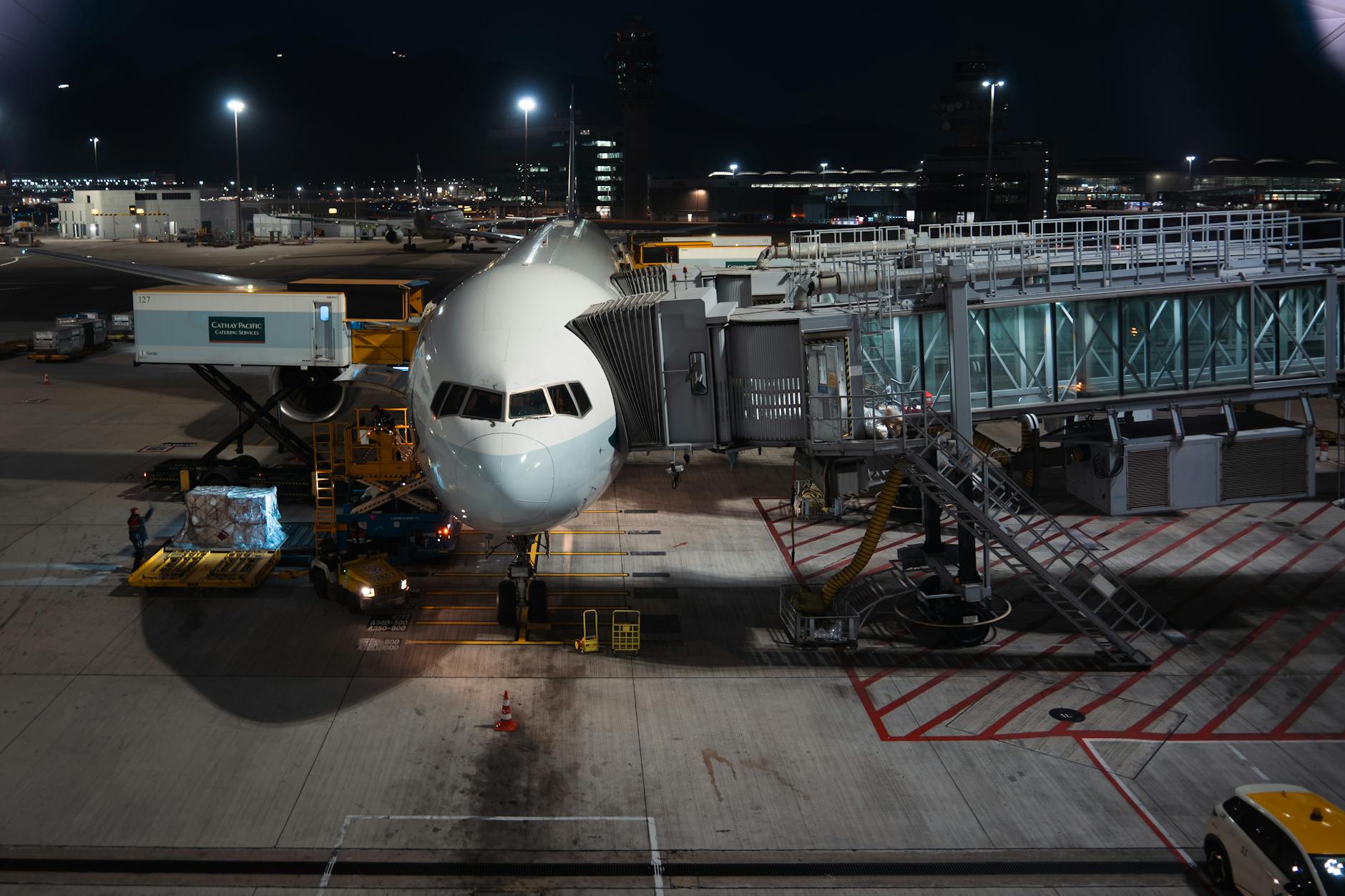
Current Air Cargo Rates and Market Dynamics
As of late April 2026, the air cargo market is witnessing a period of stabilization in freight rates, following a tumultuous period characterized by significant fluctuations influenced by geopolitical dynamics and operational costs. The average air cargo rates across major trade lanes currently hover between $3.20 and $5.10 per kilogram, with variations largely dependent on route specifics and demand fluctuations.
Geopolitical Influences and Route Adjustments
Geopolitical tensions, particularly in the Middle East and ongoing trade complexities with China, have continued to affect air cargo operations. Recent adjustments to tariffs and regulations, notably in the context of U.S. de minimis thresholds, have prompted a recalibration of shipping strategies among logistics providers. The Federal Aviation Administration (FAA) has reported a surge in volumes shipped under the de minimis exemption, a trend that has encouraged some shippers to explore new routes and partnerships.
As a result, trade routes that were previously less utilized are seeing increased activity, as businesses aim to optimize their shipping costs and delivery times. Notably, routes from key Asian manufacturing hubs to North America have adjusted to accommodate the growing demand for expedited e-commerce deliveries, which has surged as consumer behavior continues to gravitate toward online shopping.
Jet Fuel Prices and Operational Costs
In addition to these market dynamics, the rise in jet fuel prices has posed challenges for air cargo operators. Currently, jet fuel prices are reported to be 30-40% above the 12-month average, primarily due to geopolitical uncertainties that have disrupted supply chains. As fuel costs directly impact operational expenses, carriers are increasingly seeking efficiencies in their networks to mitigate these costs. This includes optimizing flight routes and enhancing cargo handling processes to improve turnaround times.
Carriers are also adjusting their pricing models in response to these elevated fuel costs, which are anticipated to persist in the short term. Analysts suggest that air cargo rates may stabilize in the coming months, provided that geopolitical situations do not escalate further and fuel prices begin to normalize.
FedEx and Freighter Fleet Developments
In fleet news, FedEx continues to expand its capabilities with the addition of more MD-11 freighters to its operations, allowing it to handle increased volumes efficiently. The introduction of these aircraft is part of FedEx’s strategy to meet growing demand and reinforce its position in the air cargo market. The MD-11, known for its fuel efficiency and larger cargo capacity, is expected to play a vital role in FedEx’s service offerings, particularly in high-demand corridors.
As e-commerce volumes remain strong, driven by consumer preferences for rapid delivery, logistics providers are keen to adapt their fleets accordingly. The integration of advanced technology, including tracking systems and automated sorting facilities, is also enhancing operational efficiencies, enabling carriers to respond more adeptly to market demands.
| Route | Rate (USD/kg) | Volume (Tonnes) |
|---|---|---|
| Asia to North America | $4.80 | 12,000 |
| Europe to Asia | $3.90 | 10,500 |
| Middle East to Europe | $5.10 | 8,000 |
| North America to Europe | $4.20 | 15,000 |
In summary, the air cargo landscape in mid-2026 is marked by a complex interplay of market forces. As rates stabilize amidst ongoing geopolitical pressures and elevated operational costs, logistics providers are adapting to the needs of a dynamic e-commerce environment. With continued investments in fleet and technology, the sector appears poised to navigate the challenges ahead while capitalizing on emerging opportunities.
FAQ
What are the current air cargo rates?
As of April 2026, air cargo rates range from $3.20 to $5.10 per kilogram, depending on the route.
How are geopolitical tensions affecting air cargo?
Geopolitical tensions, particularly in the Middle East and trade disputes, are reshaping routes and influencing shipping strategies, impacting overall volumes.
What is the impact of jet fuel prices on air cargo operations?
Jet fuel prices are currently 30-40% above the 12-month average, which is increasing operational costs for carriers.
How is FedEx adapting to market demands?
FedEx is expanding its fleet with more MD-11 freighters to enhance capacity and meet increasing e-commerce demands.