
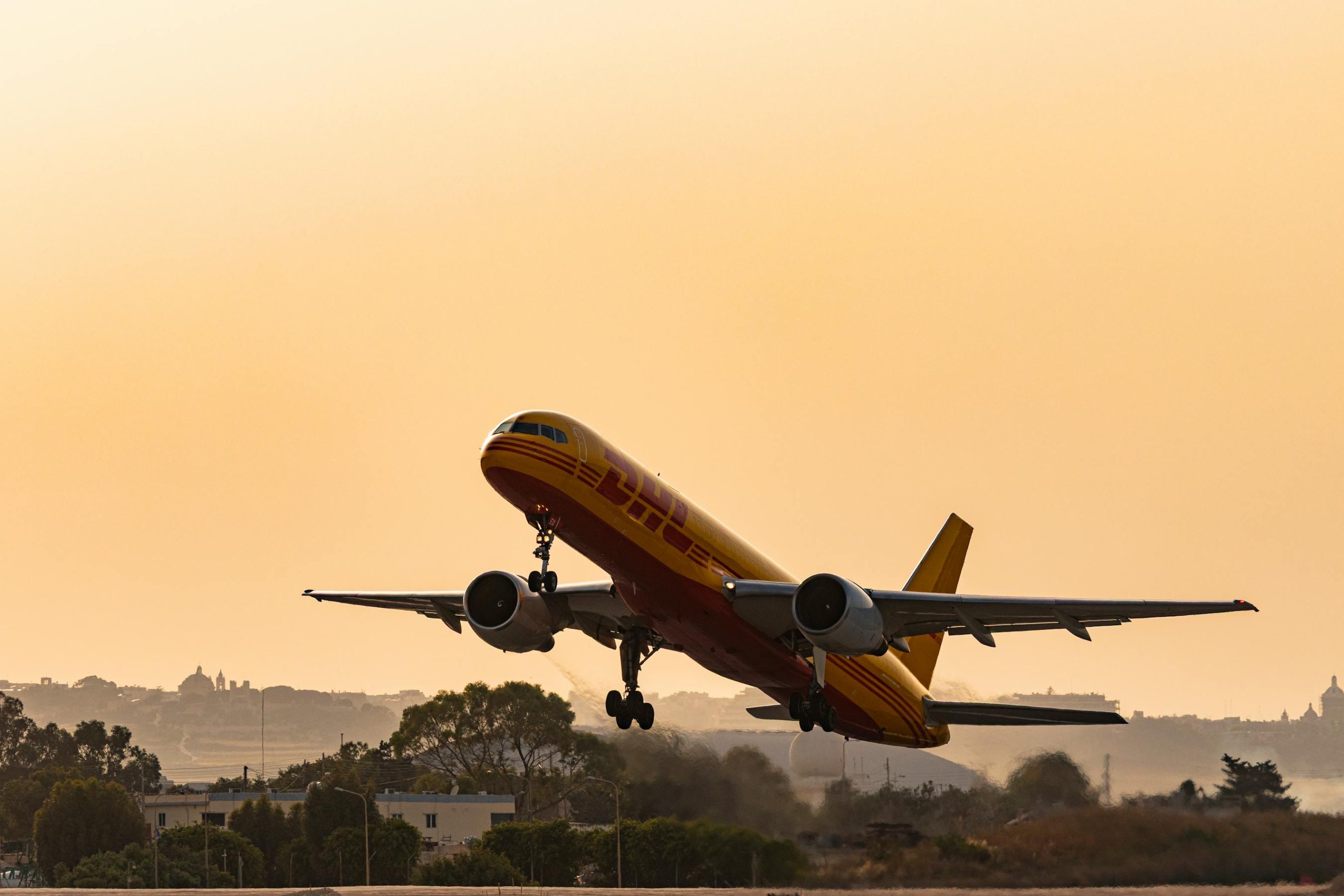
The air cargo industry is currently navigating a tumultuous landscape marked by escalating geopolitical tensions in the Middle East. As conflicts arise, particularly around key shipping routes and strategic airspace, global supply chains are feeling the impact. Air cargo rates have surged dramatically, leaving shippers scrambling to adapt their logistics and sourcing strategies. The recent turmoil has forced many companies to explore alternative routes, seeking to mitigate delays and manage costs effectively. According to Air Cargo News, air cargo prices surged significantly in April 2023 due to these rising tensions, with average rates increasing by 25% compared to the previous month. Flexport reported that the escalation in the Middle East has disrupted global freight networks, exacerbating shipment delays and complicating logistics for air cargo providers. This environment has created an urgent demand for improved tracking technologies, as businesses need real-time insights into their shipments amid the uncertainties. The air cargo sector’s adaptability will be crucial as it faces ongoing challenges in the months ahead.
Current State of Air Cargo Amid Geopolitical Tensions
Ongoing conflicts in the Middle East, including skirmishes in Iran and conflicts involving key trading partners, have had a profound impact on global supply chains. These disruptions have been particularly acute in the air cargo sector, where the reliance on timely deliveries is paramount. In recent weeks, air cargo rates have surged significantly, reaching unprecedented levels as demand for air freight has increased amidst the chaos. According to a report by Freightos, air freight rates have risen by 30% on key routes, reflecting the heightened urgency for expedited shipping solutions. Shipment delays are also rampant, with many carriers reporting extended lead times due to rerouted flights and increased security measures. Shippers are now exploring alternative routes that circumvent the affected areas, seeking to maintain their supply chain’s integrity. This shift towards alternative logistics strategies is a direct response to the instability in the region. As companies adapt to these new realities, the air cargo landscape is evolving rapidly, and it remains to be seen how long these adjustments will be necessary.
Impact on Major Air Carriers and Freight Forwarders
Major air carriers like UPS and Delta are feeling the effects of these geopolitical tensions, as fluctuating cargo volumes become the norm. UPS has reported a 15% decrease in volumes on specific routes due to the conflict’s impact on supply chains, while Delta has noted a 20% increase in demand for its air cargo services as companies pivot to faster logistics solutions. This volatility has forced freight forwarders to adjust their strategies, focusing on flexibility and adaptability to meet the changing needs of their clients. The demand for real-time cargo tracking services has surged, with shippers seeking to monitor their shipments closely amidst the uncertainty. The following table highlights the current air cargo rates from major carriers, showcasing the ongoing fluctuations in pricing and service availability:
| Carrier | Current Rate ($/kg) | Change (%) | Remarks |
|---|---|---|---|
| UPS | $5.50 | +15% | Volume decrease on specific routes |
| Delta | $6.00 | +20% | Increased demand for air freight |
| Emirates | $5.75 | +25% | Higher demand for cargo tracking |
| Korean Air | $4.80 | +10% | Stable volumes amidst regional tension |
Recent reports indicate that the air freight market is experiencing unprecedented volatility, making it imperative for carriers and freight forwarders to develop innovative solutions to navigate these challenges.
Shippers’ Strategies in Response to Rising Costs
In response to the rising costs associated with air freight, shippers are exploring unusual shipping routes and strategies. Many companies are collaborating more closely with logistics providers to enhance their tracking capabilities. This collaboration is crucial for managing the complexities introduced by the current geopolitical climate. Increased reliance on air freight is evident, despite the high rates, as businesses prioritize timely deliveries to maintain their competitive edge. Case studies reveal that shippers are reconsidering their logistics networks, seeking routes that provide a balance between cost and reliability. For instance, a significant electronics manufacturer has shifted some of its shipments from traditional routes through the Middle East to less congested airways over Europe, thus circumventing potential delays. Additionally, businesses are leveraging advanced tracking tools, such as Emirates cargo tracking and Delta cargo tracking, to gain visibility over their shipments. This reliance on enhanced tracking solutions is a direct response to the evolving landscape of air cargo logistics. For more insights into adapting logistics strategies, check out this related article. By proactively managing their logistics and exploring alternative shipping strategies, shippers are better equipped to navigate the complexities of the current air cargo environment.
Looking Ahead: The Future of Air Cargo in 2026
As the air cargo industry looks ahead to 2026, predictions for air cargo rates suggest potential stabilization as geopolitical tensions evolve. Experts believe that while the current environment is challenging, there is hope for a gradual return to normalcy in air freight pricing. Supply Chain Dive notes that the Iran conflict poses challenges for air cargo outlook in 2026, but advancements in technology, particularly in tracking and logistics management, may offer solutions. Companies are investing in innovative technologies to enhance their operational efficiency, which could soften the impact of rising rates in the long term. Furthermore, as air carriers adapt to the changing market dynamics, there is potential for improved collaboration among industry players to address the challenges posed by geopolitical tensions. As shippers and logistics providers work together to enhance their operations, the air cargo sector may emerge more resilient, with a focus on sustainability and efficiency. This evolution may ultimately lead to a more robust air cargo market, capable of withstanding future disruptions.
FAQ
What are the main factors affecting air cargo rates? Rising geopolitical tensions, increased demand for expedited shipping, and fluctuating fuel prices are key factors.
How can shippers track their cargo efficiently? Shippers can utilize real-time cargo tracking services offered by carriers like Emirates and Delta to monitor their shipments closely.
What alternative routes are being considered by shippers? Shippers are exploring routes that bypass conflict zones, often using airways over Europe instead of traditional routes through the Middle East.
How will geopolitical tensions impact future air freight? Ongoing tensions may lead to higher rates and increased demand for air freight, but technological advancements could mitigate some challenges.
Sources
- Air Cargo News — https://www.aircargonews.com — Air cargo prices surged significantly in April due to rising tensions.
- Flexport — https://www.flexport.com — Middle East escalation disrupts global freight networks.
- Freightos — https://www.freightos.com — Section 122 invalidation adds pressure on air freight rates.
- Supply Chain Dive — https://www.supplychaindive.com — Iran conflict poses challenges for air cargo outlook in 2026.