
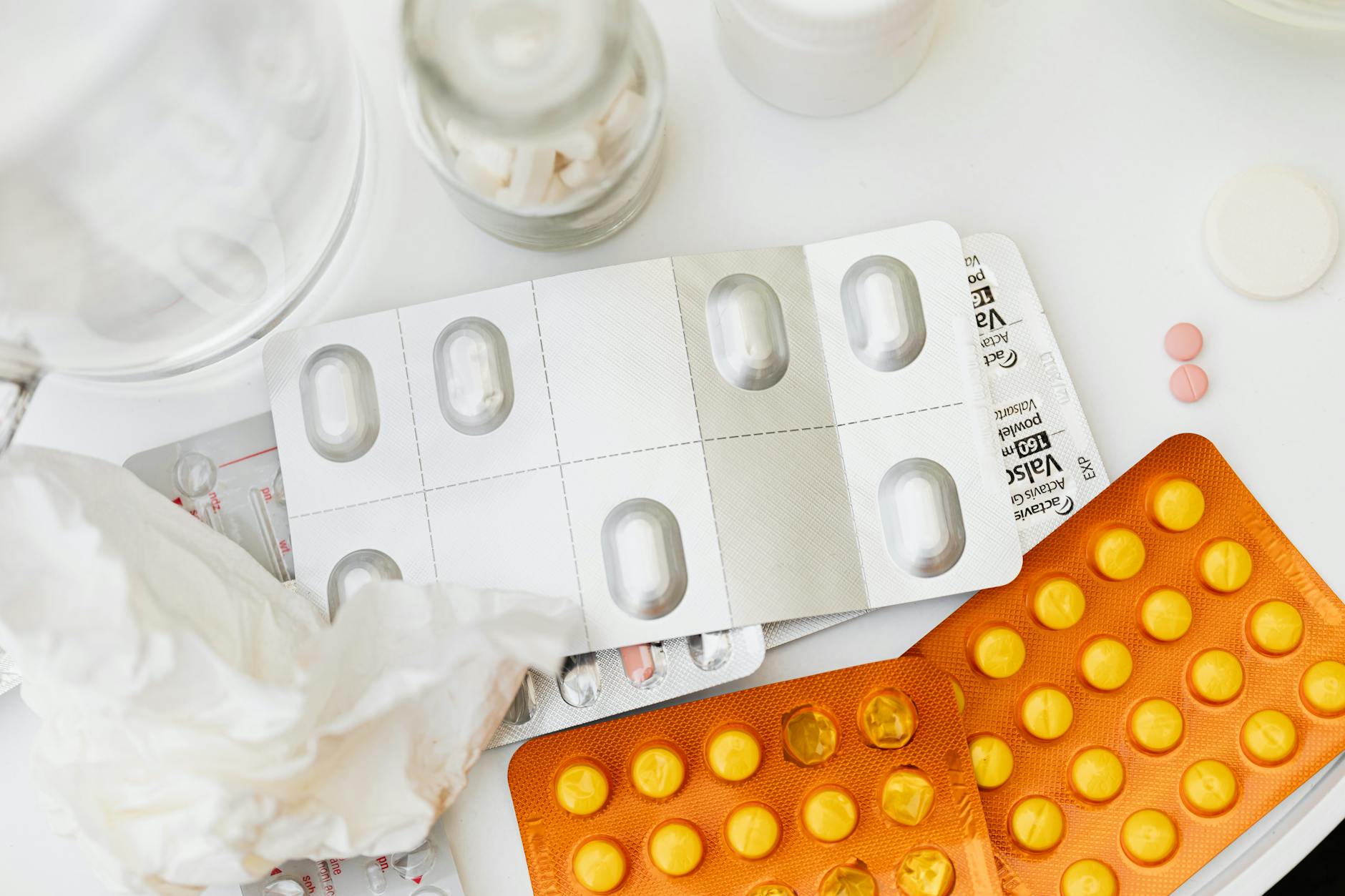
Why Air Freight Is Critical for Pharmaceutical Logistics
Pharmaceutical products are among the most demanding and valuable cargo types in air freight. Vaccines, biologics, clinical trial materials, and temperature-sensitive medicines require strict cold chain management throughout transport. A temperature excursion of just a few degrees for a few hours can render an entire shipment worthless — representing losses of tens of thousands to millions of euros.
Air freight is the preferred mode for pharmaceutical distribution because transit times are short (reducing temperature exposure risk), airports have temperature-controlled facilities, and airlines offer specialized pharma handling products. The global pharmaceutical air cargo market is substantial and growing steadily, driven by the expansion of biologic medicines and vaccine distribution networks.
Temperature Requirements for Pharmaceutical Air Freight
Common Temperature Ranges
Controlled Room Temperature (CRT): +15°C to +25°C — Most tablets, capsules, and non-temperature-sensitive medicines. Requires protection from extreme heat and cold during transport but does not need active cooling.
Refrigerated (Cold Chain): +2°C to +8°C — Insulin, most vaccines, many biologics, some diagnostic reagents. The most common pharmaceutical temperature requirement for air freight. Requires active or well-designed passive cooling systems.
Frozen: -15°C to -25°C — Some biologics, certain vaccines, plasma products. Requires dry ice or mechanical freezing during transit.
Deep Frozen: -60°C to -80°C — mRNA vaccines (e.g., COVID-19 vaccines), some gene therapies, specialized biologics. Requires specialized containers with dry ice replenishment capability.
Temperature Monitoring
Every pharmaceutical air freight shipment should include temperature monitoring devices (data loggers) that record temperature at regular intervals (typically every 5–15 minutes) throughout the journey. These records provide proof of cold chain integrity for regulatory compliance and quality assurance.
Modern IoT-enabled loggers transmit temperature data in real-time, allowing shippers and receivers to monitor conditions during transit and intervene if excursions occur. These devices are a low-cost investment compared to the value of pharmaceutical cargo.
Packaging Solutions for Pharma Air Freight
Passive Packaging Systems
Passive systems maintain temperature without external power, using insulated containers with phase-change materials (PCMs), gel packs, or dry ice:
Thermal blankets and wraps: Suitable for CRT cargo on short-haul flights (under 6 hours). Simple and affordable but limited duration.
Pre-qualified shippers (PQS): Insulated boxes with gel packs or PCM panels pre-conditioned to the target temperature. Maintain +2°C to +8°C for 48–96 hours depending on design and ambient conditions. Ideal for small to medium pharmaceutical shipments.
Pallet-level passive systems: Insulated pallet covers with PCM elements. Protect full pallet loads for 72–120 hours. Used for larger shipments on established trade lanes.
Active Temperature-Controlled Containers
Active systems use powered cooling/heating units to maintain precise temperature:
Envirotainer (RKN/RAP containers): The industry standard for active temperature control in air freight. Battery-powered units maintain +2°C to +8°C or +15°C to +25°C for the entire journey. Can be rented from Envirotainer’s global network, with rental cost depending on route and duration.
CSafe containers: Similar to Envirotainer, offering RAP and RKN size active containers with precise temperature control.
va-Q-tec containers: Passive high-performance containers using vacuum insulation panels. No power needed — maintain temperature for 5+ days. Available in various sizes from single-box to full pallet.
Airlines with Pharmaceutical Air Freight Products
Major cargo airlines have developed specialized pharmaceutical handling products with dedicated infrastructure:
Emirates SkyCargo operates Emirates Pharma — a GDP-compliant pharma product with dedicated cool chain facilities at Dubai hub. Temperature-controlled trucks for tarmac transfers and priority handling.
Qatar Airways Cargo offers QR Pharma with CEIV Pharma certification at Doha hub. End-to-end temperature visibility and dedicated pharma handling zones.
Singapore Airlines Cargo provides THRUCOOL with temperature-controlled facilities at Changi airport. Strong coverage across Asia-Pacific pharmaceutical distribution routes.
British Airways Cargo operates pharma services through London Heathrow’s temperature-controlled Pharma Handling Centre.
Regulatory Framework: GDP and CEIV Pharma
Good Distribution Practice (GDP)
EU GDP guidelines (2013/C 343/01) set the regulatory standard for pharmaceutical distribution, including air transport. GDP requires: documented temperature control procedures, validated packaging systems, trained personnel, deviation management processes, and complete traceability throughout the supply chain.
Any company involved in pharmaceutical distribution in the EU — including freight forwarders, airlines, and ground handlers — should be GDP-compliant.
CEIV Pharma Certification
IATA’s Center of Excellence for Independent Validators in Pharmaceutical Logistics (CEIV Pharma) is the industry benchmark for pharmaceutical air freight handling. CEIV-certified airports, airlines, and ground handlers have been independently validated against IATA temperature control and pharmaceutical handling standards.
When choosing a route for pharmaceutical air freight, prioritize airports and airlines with CEIV Pharma certification. Major certified hubs include: Brussels (BRU), Dubai (DXB), Singapore (SIN), Mumbai (BOM), and Miami (MIA).
Planning Your Pharmaceutical Air Freight Shipment
Route selection: Choose routes through CEIV-certified hubs where possible. Minimize connections — each transfer is a risk point for temperature excursions. Direct flights are preferable for ultra-cold and high-value shipments.
Season and weather: Summer months pose overheating risks; winter months pose freezing risks. Adjust packaging (more insulation, additional PCM) based on expected ambient temperatures along the route. Avoid routing through airports with known tarmac temperature extremes.
Timing: Schedule shipments to avoid weekend or holiday arrivals when customs and receiving facilities may operate with reduced staffing. Temperature-sensitive cargo waiting over a weekend at a cargo terminal is a common cause of excursions.
Documentation: Include clear temperature requirements on the Air Waybill and all handling documents. Specify "KEEP COOL +2/+8°C" or equivalent handling instructions prominently. Include emergency contact numbers for temperature excursion notifications.
Rates vary by route, weight, and season — request a quote for current pricing.
For specialized pharmaceutical air freight rates and routing recommendations, request a quote through AirFreightPrice.com.
Frequently Asked Questions
How much does pharmaceutical air freight cost compared to standard cargo?
Pharmaceutical air freight typically costs 30–100% more than standard cargo rates due to temperature-controlled handling, specialized packaging, and priority services. For +2°C to +8°C shipments using passive packaging, add approximately 30–50% to standard rates. Active container shipments (Envirotainer) add a significant premium plus container rental cost. The exact premium depends on the route, temperature requirement, and shipment size. Despite the higher cost, air freight remains the preferred mode because faster transit reduces cold chain risk and product loss.
What happens if the temperature goes out of range during transit?
A temperature excursion triggers a quality review by the pharmaceutical company’s quality assurance team. Depending on the duration and severity of the excursion, the product, and available stability data, the outcome may be: release (if the excursion is within validated stability parameters), quarantine pending further testing, or rejection and destruction. Data logger records are essential for this assessment. Excursion losses can range from thousands to millions of euros — which is why investing in proper packaging, monitoring, and CEIV-certified handling is cost-effective.
Do I need GDP certification to ship pharmaceuticals by air?
If you are a pharmaceutical manufacturer or distributor in the EU, you must comply with GDP requirements for all distribution activities, including selecting transport providers. You do not need your own GDP certification to use air freight — but you must use GDP-compliant freight forwarders, airlines, and ground handlers, and you must document your due diligence in selecting them. Your quality agreement with logistics providers should specify temperature requirements, deviation reporting, and handling procedures.