
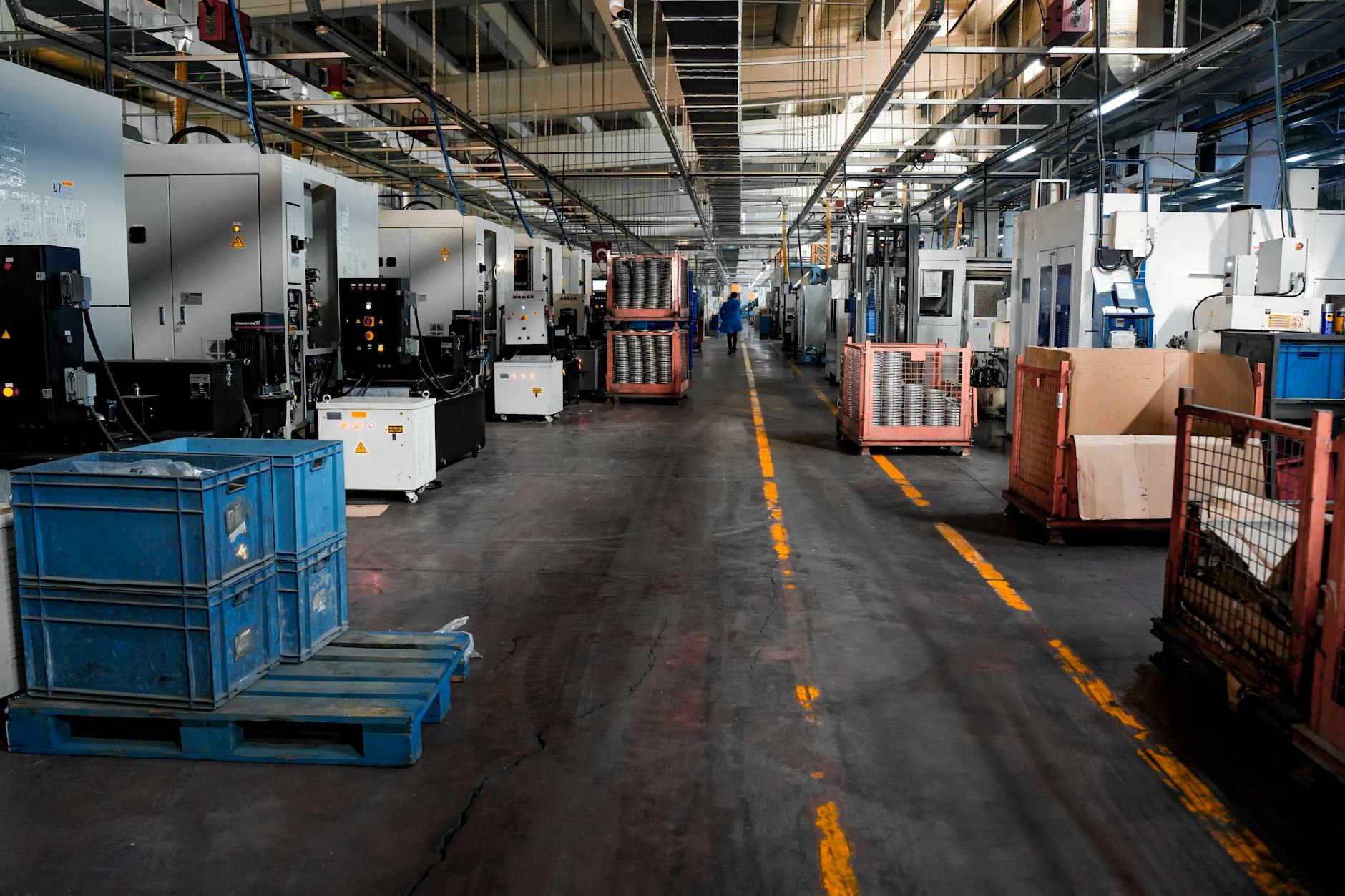
The global trend toward nearshoring — relocating manufacturing closer to end markets — is reshaping international air freight patterns. Companies that once sourced exclusively from China are diversifying production to Mexico, Vietnam, Turkey, and Eastern Europe, creating new air cargo demand on routes that barely existed five years ago.
Why Nearshoring Is Accelerating in 2026
Several factors are driving the shift. Geopolitical tensions between major trading blocs have made single-source dependency risky. The COVID-19 pandemic exposed vulnerabilities in extended supply chains. Rising labor costs in China (up 8–12% annually since 2020) have narrowed the cost advantage. Meanwhile, trade agreements like USMCA, the EU-Vietnam FTA (EVFTA), and the EU-Turkey Customs Union make nearshore production economically attractive.
According to industry data, Mexico’s manufacturing exports to the USA grew 15% in 2025, with air freight volumes on the MEX–USA corridor up 22%. Vietnam-to-Europe air cargo increased 18% year-over-year. Turkey’s air freight exports to EU countries rose 12%, driven by automotive and textile sectors.
Impact on Air Freight Rates and Capacity
Nearshoring is creating winners and losers in the air cargo market. Routes from Mexico, Vietnam, and Turkey to major consumer markets are seeing capacity tighten and rates stabilize at higher levels. Meanwhile, some traditional China-origin routes have experienced slight rate softening as volumes redistribute.
For shippers, the key consideration is total landed cost — not just freight rates. Nearshored goods may cost more per unit to produce but save significantly on transit time (1–3 days vs. 5–7 days from China), inventory carrying costs, and supply chain risk. Air freight from Mexico to the USA, for example, is often comparable in total cost to China-origin rates once you factor in faster delivery and lower inventory requirements.
What This Means for Your Business
If you’re evaluating nearshoring, consider these air freight factors: transit time reduction (critical for just-in-time manufacturing), frequency of flights (daily service vs. weekly on some long-haul routes), customs complexity (USMCA and EU FTAs simplify cross-border flows), and total logistics cost including warehousing savings from shorter supply chains.
Frequently Asked Questions
Which countries are the most popular nearshoring destinations?
Does nearshoring always reduce air freight costs?
How does nearshoring affect air cargo capacity?
Evaluating nearshoring for your supply chain? Request quotes for multiple origin countries to compare total landed costs.