
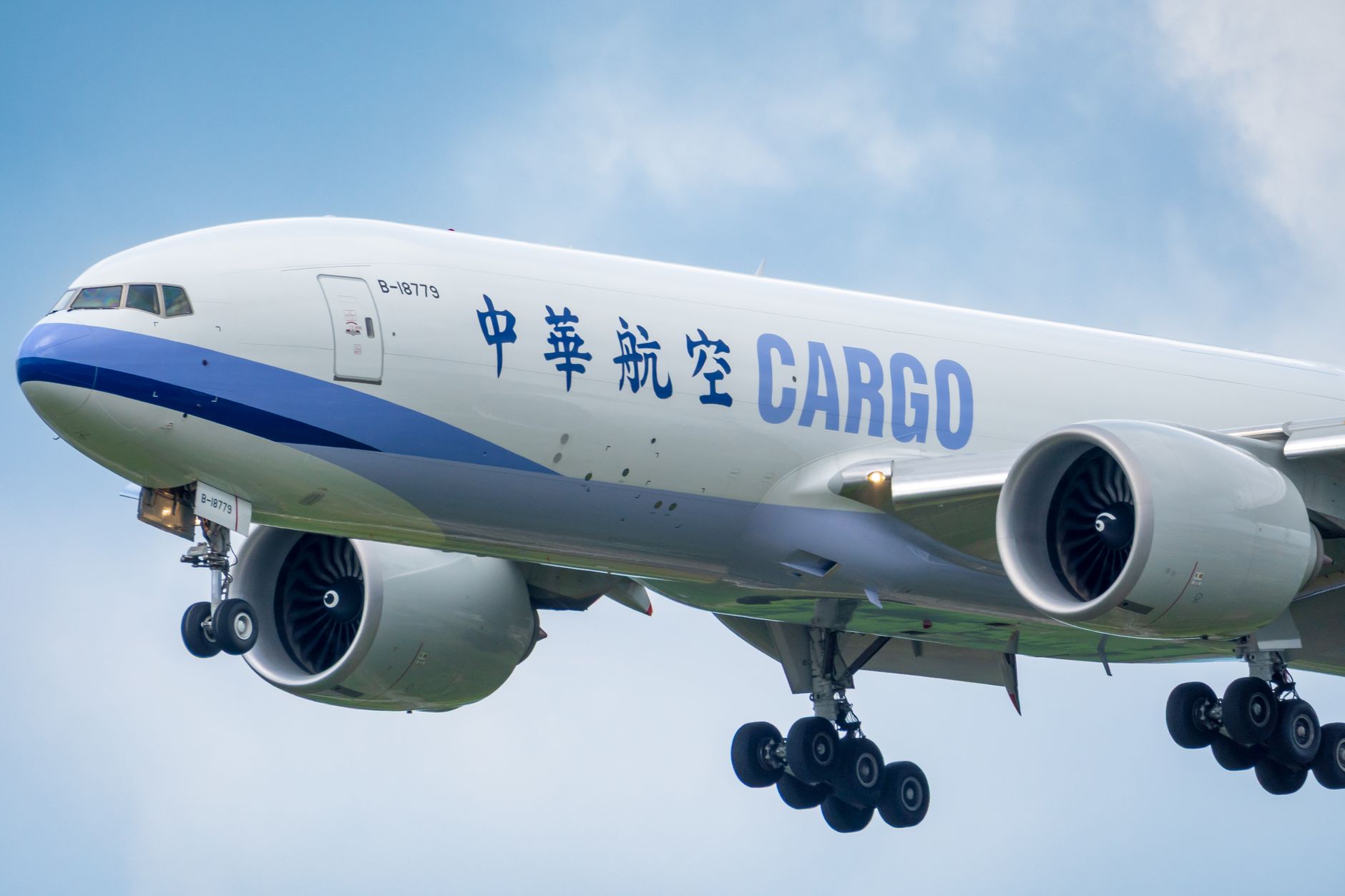
In April 2026, air cargo demand surged by 4%, reflecting a robust recovery in the transpacific eastbound sector. Despite challenges such as fluctuating fuel prices and shifting global trade patterns, the transpacific eastbound routes, particularly those connecting major hubs like Los Angeles International Airport (LAX), San Francisco International Airport (SFO), and Hong Kong International Airport (HKG), have demonstrated remarkable resilience. Major freight carriers like United Cargo and FedEx Express continue to play pivotal roles in this dynamic market, adjusting their strategies to meet the burgeoning demand. The ongoing recovery in global trade and e-commerce has further fueled this growth, leading to an uptick in shipments across these key routes. According to IATA, the overall air cargo demand has shown a significant increase, indicating that while challenges remain, the transpacific eastbound lanes are set to remain vital conduits for international trade.
Current State of Transpacific Eastbound Air Cargo
The transpacific eastbound air cargo sector has been characterized by elevated air freight rates, which have remained stubbornly high even amidst an increase in overall capacity. The Loadstar reported that although capacity recovery is underway, air freight rates have not yet seen a corresponding decline, maintaining pressure on shippers who are navigating this complex landscape. The primary airports facilitating these transpacific routes—LAX, SFO, and HKG—are witnessing significant cargo volumes, fueled by the growth in e-commerce and the demand for expedited shipping options. Major carriers such as United Cargo and FedEx Express are optimizing their operations to capture this demand, offering tailored solutions for various industries. The resilience of transpacific routes is evident in the sustained demand levels, which have prompted both established and emerging freight carriers to enhance service offerings. As the sector adjusts to the evolving market dynamics, the focus remains on balancing capacity with demand while ensuring competitive rates for shippers.
Rate Analysis and Market Dynamics
Spot rates for transpacific eastbound cargo are projected to remain high, with average air freight rates stabilizing at approximately $4.50 per kg, as reported by the American Journal of Transportation. The interplay of supply and demand continues to shape the market, with demand consistently outpacing available capacity. While fuel prices have eased recently, this decline has not significantly impacted air freight rates, suggesting that other factors are at play. Competitive pressures from ocean freight alternatives are intensifying, as shipping lines seek to attract shippers who are looking for more cost-effective solutions. However, the speed and flexibility offered by air freight make it an indispensable option for many businesses, particularly those dealing with time-sensitive goods. The table below highlights the current state of various carriers in the transpacific eastbound market, showcasing their average rates, capacity utilization, and forecasted growth:
| Carrier | Average Rate (USD/kg) | Capacity Utilization (%) | Forecast Growth (%) |
|---|---|---|---|
| United Cargo | 4.60 | 85 | 5 |
| FedEx Express | 4.50 | 90 | 6 |
| UPS | 4.70 | 88 | 4 |
| DHL | 4.55 | 87 | 5 |
Key Players and Their Strategies
In response to the evolving demands of the transpacific eastbound market, key players are implementing various strategies to enhance their service offerings. United Cargo has notably expanded its service portfolio to cater to the increasing demand, introducing new direct freight options that have successfully reduced transit times by 10% on certain routes. This enhancement not only improves customer satisfaction but also positions United Cargo as a competitive player in this high-demand environment. Similarly, FedEx Express is ramping up its fleet capacity on essential transpacific routes, utilizing aircraft such as the 777F and 747-8F to improve service reliability and meet customer needs. Moreover, logistics providers like AFS Logistics are stepping up their game by offering advanced tracking solutions, ensuring that shipments are monitored in real-time. These technological advancements, coupled with increased capacity, are critical as shippers seek transparency and efficiency in their supply chains. For more insights on these trends, visit this related article.
Future Outlook and Predictions
Looking ahead, the transpacific eastbound air cargo market is poised for continued growth as the peak shipping season approaches. Industry analysts are optimistic, forecasting a 5% growth in transpacific air cargo volume by Q4 2026, driven by sustained demand from e-commerce and global supply chains. However, potential disruptions from geopolitical tensions and trade policies may pose risks to capacity and rates. As carriers navigate these challenges, investments in technology and infrastructure are expected to play a crucial role in enhancing service offerings and operational efficiency. Per IATA, the overall air freight landscape remains dynamic, and stakeholders must remain agile to adapt to evolving market conditions. The transpacific eastbound sector is set to remain a vital component of international trade, offering opportunities for growth and innovation amid the complexities of global logistics.