
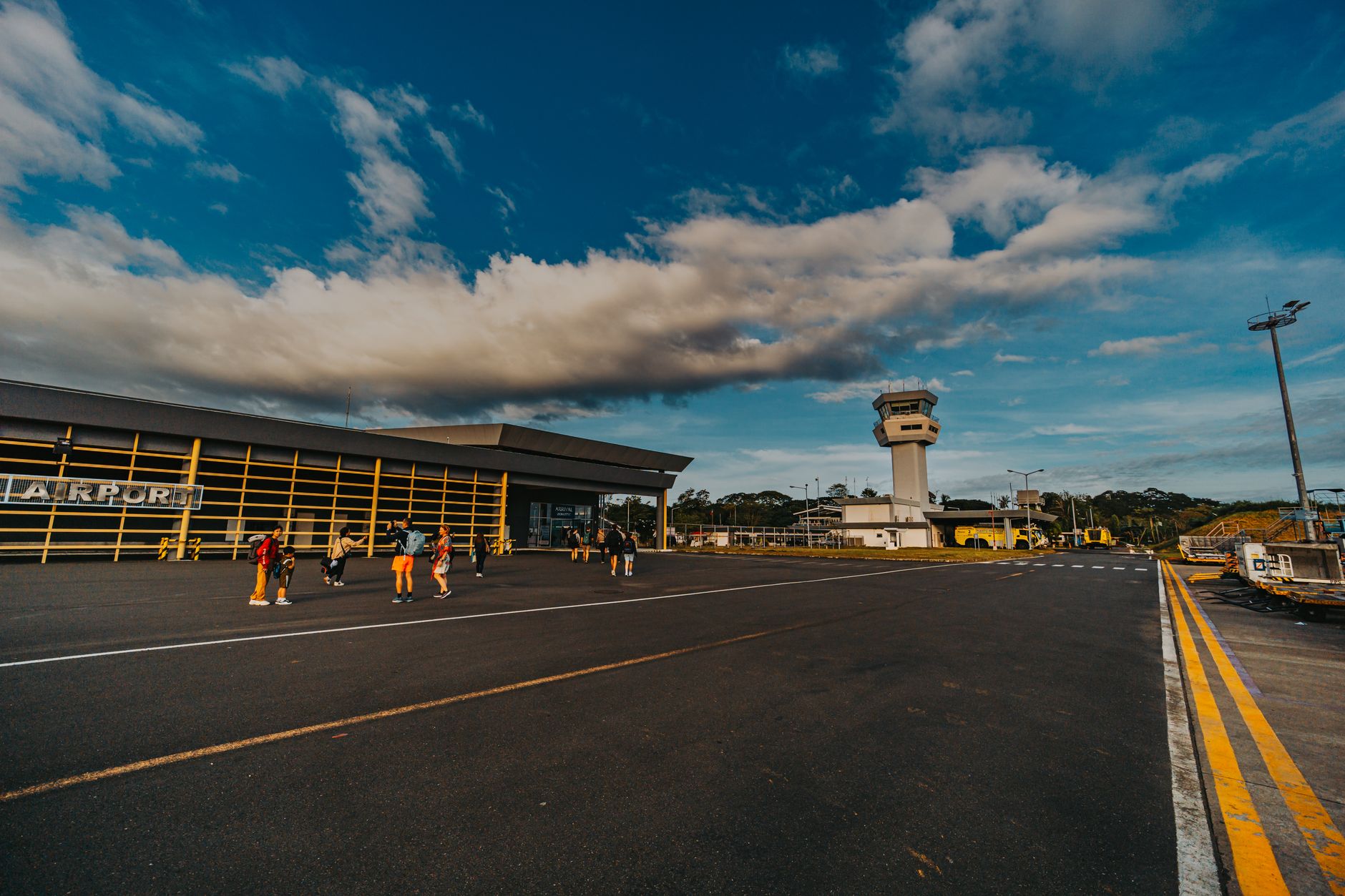
In 2025, global air freight volumes are projected to surpass 65 million tonnes, a significant increase that underscores the burgeoning demand for air cargo services. Major airport hubs around the world are responding to this demand by expanding their capacities, with significant investments in new infrastructure and technology. As international cargo terminals enhance their capabilities, freight carriers are gearing up to meet the evolving needs of industries such as e-commerce, pharmaceuticals, and electronics.
Hong Kong International Airport (HKG) Expands Facilities
Hong Kong International Airport (HKG) is set to increase its cargo terminal space by 20% by 2028, as reported by Air Cargo News. This expansion is crucial as HKG currently handles approximately 5.8 million tonnes of cargo annually, with a significant portion attributed to the booming e-commerce and electronics sectors. The new facilities will enable the airport to accommodate a projected capacity increase to handle up to 7 million tonnes of cargo per year. This move not only aims to enhance the operational efficiency of HKG but also positions it favorably in the competitive landscape of international cargo terminals.
The expansion comes at a time when air cargo demand is driven largely by the rapid growth of online shopping and the need for timely delivery of high-value goods, including semiconductors. With major freight carriers such as Cathay Cargo and DHL relying on HKG for their operations, the airport’s upgrades will be instrumental in maintaining its status as a leading global air freight hub.
Incheon International Airport (ICN) Boosts Cargo Operations
Incheon International Airport (ICN) has announced a substantial $500 million investment in its cargo infrastructure to enhance its operational capabilities. This initiative is particularly focused on improving cold chain logistics for perishables and pharmaceuticals, a growing segment in the air freight market. According to IATA, ICN’s cargo volume reached 3.6 million tonnes in 2025, with an annual growth rate projected at 6%. The investment is expected to be completed by Q4 2027, which will add an additional 1 million tonnes of capacity.
This expansion will not only accommodate increasing demand for temperature-sensitive products but also support freight carriers like Korean Air Cargo and Singapore Airlines Cargo as they seek to optimize their supply chains. The enhancements at ICN are indicative of a broader trend among international cargo terminals that are adapting to meet the evolving requirements of global air freight.
| Airport Code | Current Capacity (Tonnes) | Planned Expansion (Tonnes) | Investment ($ Million) |
|---|---|---|---|
| HKG | 5.8 million | 1.2 million | N/A |
| ICN | 3.6 million | 1 million | 500 |
| DXB | 2.7 million | 2 million | N/A |
| FRA | 2.2 million | N/A | N/A |
Dubai International Airport (DXB) Joins the Capacity Race
Dubai International Airport (DXB) is also entering the fray with plans to add a new cargo terminal by 2029, a move that aims to streamline operations for freight carriers such as Emirates SkyCargo. Global Trade Magazine reports that the new terminal will accommodate an additional 2 million tonnes of cargo, enhancing DXB’s position as a key player in the international cargo landscape. Currently, DXB is one of the busiest airports globally, handling over 2.7 million tonnes of cargo in 2025.
This expansion is vital as demand for air freight continues to rise, particularly in regions like the Middle East and Asia. The new facilities will cater to various sectors, including luxury goods, pharmaceuticals, and perishables, which require fast transit times. Furthermore, the new cargo infrastructure will optimize the handling capabilities of DXB, facilitating a smoother operation for freight carriers and enhancing cargo insurance services due to improved reliability.
For more in-depth insights on cargo services and trends, check out this related article.
Frankfurt Airport (FRA) Enhances Cargo Handling Efficiency
Frankfurt Airport (FRA) is also making significant strides in enhancing its cargo handling efficiency. The airport has implemented advanced technologies aimed at improving cargo handling speeds, with new automated systems expected to reduce turnaround times by as much as 30%. According to The Loadstar, these innovations will significantly benefit freight carriers operating in and out of FRA, which managed 2.2 million tonnes of air cargo in 2025, with substantial contributions from European freight carriers like Lufthansa Cargo.
The planned capacity expansion includes a new cargo building set to be completed by 2028. This initiative aligns with the growing trend of automation within the logistics sector, where efficiency and speed are paramount. As global air freight demand continues to surge, FRA’s enhancements will ensure that it remains a pivotal hub for international cargo terminals, catering to a diverse range of freight needs.
As we look to the future, these expansions across major airport hubs indicate a robust outlook for the air cargo industry. With increased capacity and improved technology, international cargo terminals are well-positioned to meet the growing demands of global trade, ensuring the efficient transport of goods across the world.