
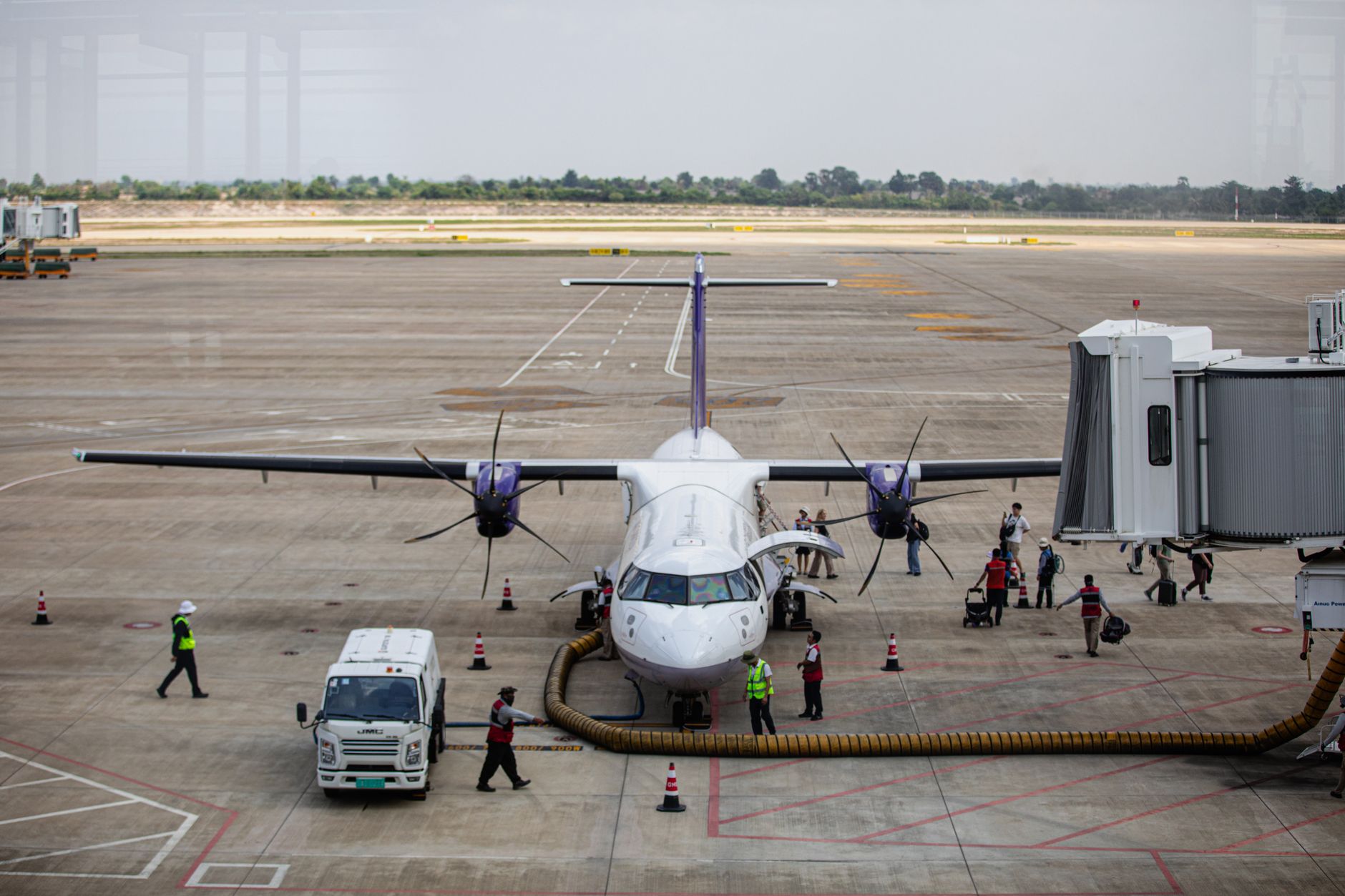
In the last quarter, jet fuel prices have surged by an alarming 15%, with the current benchmark price reaching $3.50 per gallon. This sharp increase is significantly impacting operational costs across the air cargo sector, compelling freight carriers to reassess their pricing strategies. Major airlines, including United Cargo and SWA Cargo, have already begun adjusting their fuel surcharges to accommodate the rising costs. A comparative analysis reveals that prices at international cargo terminals, such as those in Los Angeles (LAX) and Hong Kong (HKG), are not only higher than the previous year but also vary significantly across different locations. For example, LAX has seen a price increase that directly correlates with the rising operational costs, resulting in heightened freight rates for key trade routes. According to Air Cargo News, this trend of escalating jet fuel costs is anticipated to continue, thereby affecting the pricing structures of air cargo services on a global scale.
Current Jet Fuel Price Trends
Jet fuel prices have surged by 15% in the past quarter. Currently, the benchmark price stands at $3.50 per gallon, significantly affecting operational costs across the air cargo sector. Major airlines such as United Cargo and SWA Cargo are adjusting fuel surcharges in response to these changes. Historical data over the past year indicates a steady increase in jet fuel prices, with spikes often linked to geopolitical and economic conditions. For instance, freight rates for key routes, including LAX to HKG, have been notably impacted, with cargo carriers like DHL and FedEx grappling with the financial implications of higher jet fuel costs. The rising prices are not just a temporary blip; they represent a broader trend that could redefine pricing strategies in the air cargo industry as companies seek to remain competitive while managing increasing operational expenses.
The Shift Toward Sustainable Aviation Fuel (SAF)
As the air cargo sector faces rising jet fuel costs, the transition towards sustainable aviation fuel (SAF) has gained significant traction. Currently, SAF accounts for approximately 5% of total fuel consumption in air freight, with airlines increasingly investing in this alternative to help reduce carbon emissions. Partnerships between logistics companies like AFS Logistics and biofuel producers are on the rise, reflecting a collective commitment to sustainability within the industry. Statistics indicate that SAF production has more than doubled over the past year, with major airlines like emirates-skycargo/">Emirates SkyCargo and lufthansa-lh-air-freight-cargo/">Lufthansa Cargo integrating SAF into their operations. Government incentives further bolster this trend, providing financial support for SAF adoption and thus encouraging more airlines to invest in sustainable options. According to IATA, the adoption of SAF is crucial for reducing air cargo emissions and achieving long-term sustainability goals, signaling a pivotal moment for the industry.
| Date | Jet Fuel Price ($/gallon) | SAF Usage (%) | Average Freight Rate ($/ton) |
|---|---|---|---|
| 2023-01-15 | 3.00 | 3 | 1,800 |
| 2023-04-15 | 3.10 | 4 | 1,850 |
| 2023-07-15 | 3.50 | 5 | 1,900 |
| 2023-10-15 | 3.60 | 6 | 1,950 |
Fuel Surcharge Changes and Their Impact on Freight Rates
The recent increase in jet fuel costs has led to significant changes in fuel surcharges, which are directly impacting overall freight costs. According to Flexport, fuel surcharges have risen by approximately 10% over the last month, exerting pressure on shipping routes, particularly from major airports like Chicago O’Hare (ORD) and Atlanta (ATL). Major freight carriers are currently adjusting their surcharge rates, reflecting the ongoing volatility in fuel prices. For instance, a rise in surcharges has been observed across the board for carriers including UPS and FedEx, making it essential for shippers to reevaluate their budgets and logistics strategies. The implications of these surcharges are felt widely, with customers expressing concerns about rising freight costs and their potential impact on supply chain dynamics. As companies navigate this challenging landscape, it becomes increasingly crucial to find a balance between operational efficiency and cost-effectiveness. For more insights, consider visiting this related article.
Future Outlook: Balancing Costs and Sustainability
The air cargo industry finds itself at a crossroads regarding fuel sustainability and cost management, with predictions indicating continued volatility in jet fuel prices. Experts suggest that the integration of sustainable aviation fuel (SAF) will play a crucial role in shaping the future of the industry. The potential for technological advancements in SAF production could pave the way for more cost-effective solutions, allowing airlines to mitigate the impact of rising jet fuel costs. As reported by The Loadstar, many airlines are already exploring innovative technologies to enhance SAF production efficiency, potentially leading to a significant reduction in operational costs. Long-term projections suggest that while jet fuel prices may remain unpredictable, a shift toward SAF and other alternative fuels could provide airlines with the necessary tools to navigate these challenges. As the industry moves forward, balancing operational costs with sustainability initiatives will be essential for long-term viability, ensuring air cargo remains competitive in a rapidly evolving market.