
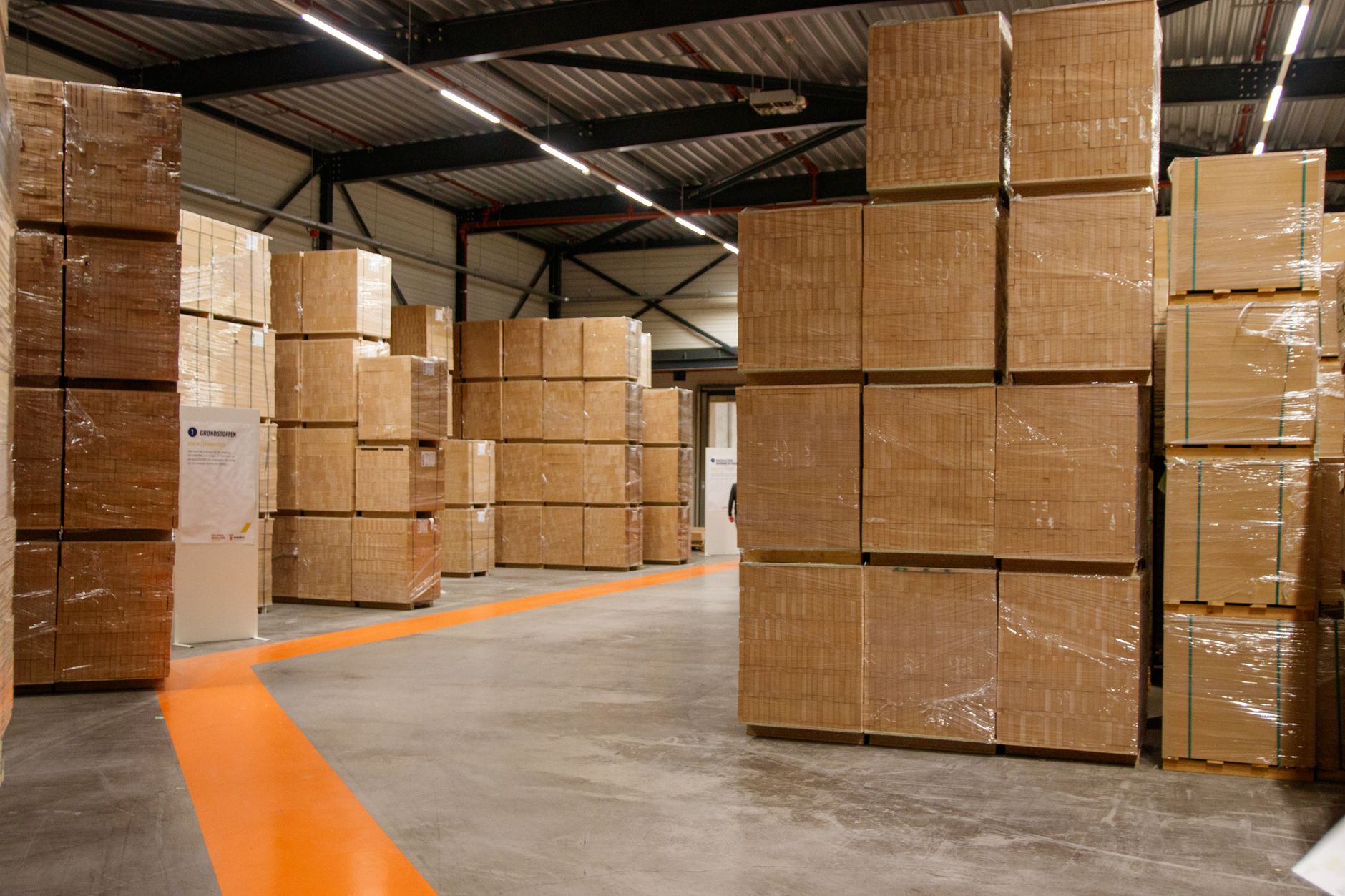
In response to the escalating demand for international shipping solutions, DHL and FedEx have made significant strides in expanding their international cargo services. With a 20% increase in capacity on its new route from Los Angeles (LAX) to Tokyo (NRT), DHL is positioning itself to better serve key markets in Asia and Europe. The company’s recent introduction of two new Boeing 777 freighters underscores its commitment to enhancing logistics capabilities. This move not only aims to streamline operations at major international cargo terminals but also aligns with DHL’s focus on sustainability through the use of eco-friendly aircraft. As e-commerce continues to grow globally, the need for robust logistics solutions has never been more critical, and these expansions reflect the strategic responses of leading freight carriers to meet increasing customer demands.
DHL’s New Routes and Capacity Enhancements
According to Air Cargo News, DHL has unveiled a series of new routes, specifically targeting Asia and Europe, to bolster its international cargo services. The addition of the Los Angeles to Tokyo route is a game-changer, presenting a 20% increase in capacity that is expected to facilitate faster transit times for time-sensitive shipments. Additionally, the introduction of two Boeing 777 freighters will enhance DHL’s ability to transport larger volumes of freight more efficiently. This upgrade not only expands the operational capabilities at major international cargo terminals but also reflects the company’s commitment to sustainability. The newly deployed aircraft feature advanced technology that reduces fuel consumption and emissions, aligning with DHL’s ambitious goal of achieving carbon neutrality by 2050. The integration of these eco-friendly aircraft into their fleet indicates a proactive approach to addressing environmental concerns while meeting the growing demands of global trade.
FedEx Expands Its Global Network
FedEx is also ramping up its efforts to enhance its global network with the addition of direct flights to emerging markets. Recently, the company announced a significant new service from Chicago (ORD) to São Paulo (GRU), which is projected to boost cargo volume by 15%, according to Reuters. This move is part of FedEx’s strategy to improve its international cargo terminals and cater to the rising demand for freight services in South America. Furthermore, the company has invested in upgrading its Conway freight tracking system, providing customers with enhanced visibility and real-time updates on their shipments. This is a crucial factor as businesses increasingly rely on accurate tracking to manage their supply chains effectively. FedEx is not only expanding its air services but also significantly investing in its ground shipping infrastructure, ensuring a seamless transition from air to ground logistics for its clients.
| Company | New Route | Capacity Increase | Sustainability Initiative |
|---|---|---|---|
| DHL | Los Angeles (LAX) to Tokyo (NRT) | 20% | 30% sustainable aviation fuel by 2030 |
| FedEx | Chicago (ORD) to São Paulo (GRU) | 15% | $2 billion investment in sustainability initiatives |
| UPS | Miami (MIA) to Amsterdam (AMS) | 10% | Carbon offset program expansion |
| emirates-skycargo/">Emirates SkyCargo | Dubai (DXB) to Frankfurt (FRA) | 12% | Fleet modernization with fuel-efficient aircraft |
Impact of Increased Capacity on Freight Rates
The expansions in international cargo services by both DHL and FedEx have sparked discussions about the impact on freight rates. Recent reports indicate that air freight rates have shown signs of easing due to increased capacity, with average rates dropping by 5% in July, as noted by Global Trade Magazine. This decline contrasts sharply with a 20% increase in ocean freight rates, highlighting a shift in the logistics landscape. As more capacity becomes available through new routes and enhanced services, the competition among freight carriers is likely to intensify, potentially leading to further reductions in air freight rates. Industry analysts predict that the coming months will see a more balanced rate environment, benefiting shippers looking to optimize their logistics costs. For businesses engaged in international shipping, understanding these dynamics is essential. Companies need to stay informed about the changing landscape of shipping costs and explore options that include both air and ocean freight solutions. For a deeper analysis of the current air freight market, check out this related article.
Sustainability Initiatives in Air Cargo Operations
As both DHL and FedEx expand their international cargo services, sustainability remains a focal point of their operations. DHL has made a bold commitment to achieving carbon neutrality by 2050, with an interim goal of using 30% sustainable aviation fuel (SAF) by 2030. This ambitious initiative is part of a broader trend within the air cargo industry toward greener logistics solutions. FedEx, on the other hand, plans to invest $2 billion in sustainability initiatives over the next five years, aiming to reduce its environmental footprint while enhancing operational efficiency. Both companies are setting a precedent for the industry, encouraging other freight carriers to adopt similar measures. As environmental regulations tighten and consumer preferences shift toward sustainable practices, the air cargo sector is increasingly prioritizing eco-friendly operations. The ongoing commitment to sustainability not only helps mitigate the environmental impact of logistics but also positions these companies as leaders in responsible business practices. The future of air cargo is likely to be defined by a blend of enhanced logistics capabilities and a firm commitment to sustainability, making it a pivotal time for the industry.